Professional development programs Igniting Growth and Success

Embark on a journey through the world of professional development programs, where opportunities for growth and success await at every turn. Get ready for an exciting exploration filled with valuable insights and practical tips to enhance your career path.

Discover the key aspects of professional development programs that can shape your future and propel you towards your goals.

Professional Development Programs

Professional development programs are initiatives designed to enhance the skills, knowledge, and capabilities of individuals in various industries. These programs are crucial for career growth as they help individuals stay updated with industry trends, improve their performance, and advance their careers.

Examples of Popular Professional Development Programs

  • Google’s Grow with Google: Offers free training and tools to help individuals grow their skills, career, and business.
  • LinkedIn Learning: Provides online courses covering a wide range of topics from technology to business and creative skills.
  • Dale Carnegie Training: Offers programs focused on leadership, communication, sales, and interpersonal skills development.
  • Toastmasters International: Helps individuals improve their public speaking and leadership skills through practice and feedback.

Benefits of Participating in Professional Development Programs

  • Enhanced Skills: Participants acquire new skills and knowledge that are relevant to their profession, making them more valuable in the workplace.
  • Career Advancement: Engaging in professional development programs can lead to career growth opportunities and increased job satisfaction.
  • Networking Opportunities: Participants have the chance to connect with industry professionals, potential mentors, and like-minded individuals.
  • Improved Performance: Continuous learning and skill development lead to improved performance and productivity in the workplace.

Contribution of Professional Development Programs to Skill Enhancement and Knowledge Acquisition

Professional development programs play a vital role in skill enhancement and knowledge acquisition by offering structured learning opportunities, workshops, seminars, and hands-on experiences. These programs help individuals develop expertise in their field, stay current with industry trends, and adapt to the changing demands of the workforce.

Types of Professional Development Programs

Professional development programs

Professional development programs come in various forms to cater to the diverse needs of individuals looking to enhance their skills and knowledge in their respective fields. Let’s explore some of the common types of professional development programs and discuss their effectiveness.

Workshops

Workshops are interactive sessions where participants engage in hands-on activities, discussions, and group exercises to learn new skills or enhance existing ones. These sessions are usually led by experts in the field and provide practical insights that can be immediately applied in the workplace.

Seminars

Seminars are formal presentations or talks delivered by subject matter experts to a large audience. These sessions focus on sharing knowledge, trends, and best practices in a particular industry or field. Seminars are a great way to stay updated on the latest developments and network with professionals.

Online Courses

Online courses have gained popularity due to their convenience and flexibility. These self-paced programs allow individuals to learn at their own pace from anywhere in the world. Online courses cover a wide range of topics and are ideal for professionals looking to upskill or reskill without disrupting their work schedules.

Certifications

Certification programs validate the skills and knowledge of professionals in a specific field. These programs often require candidates to pass an exam or complete a series of courses to earn the certification. Certifications are valuable credentials that can boost one’s career prospects and credibility.

In-Person vs. Online Programs

In-person programs offer the benefit of face-to-face interaction with instructors and peers, fostering a sense of community and collaboration. On the other hand, online programs provide flexibility and accessibility, allowing individuals to learn at their own pace. The effectiveness of each type of program depends on the individual’s learning style and preferences.

Tailored Programs for Specific Professions

Tailored professional development programs cater to the unique needs of professionals in specific industries or roles. These programs are designed to address the challenges and opportunities faced by individuals in a particular field, providing targeted training and resources to help them succeed.

Role of Mentorship and Coaching

Mentorship and coaching play a crucial role in professional development programs by providing guidance, support, and feedback to individuals seeking to grow in their careers. Mentors and coaches offer valuable insights, advice, and encouragement, helping professionals navigate challenges, set goals, and achieve success in their respective fields.

Implementing Professional Development Programs

Implementing professional development programs within an organization is crucial for fostering a culture of continuous learning and growth. Here are some steps to create and implement a successful professional development program:

Creating a Professional Development Plan

  • Identify the skills and competencies needed: Conduct a thorough assessment of the skills and competencies required for employees to succeed in their roles.
  • Set clear objectives: Define specific goals and objectives that the professional development program aims to achieve.
  • Develop a structured curriculum: Design a curriculum that includes a mix of training methods such as workshops, online courses, mentoring, and on-the-job training.
  • Allocate resources: Ensure that necessary resources such as budget, time, and personnel are allocated for the program.

Evaluating the Effectiveness of Professional Development Programs

  • Establish measurable metrics: Define key performance indicators (KPIs) to track the impact of the program on employee performance and organizational goals.
  • Collect feedback: Gather feedback from participants through surveys, interviews, and performance reviews to assess the program’s effectiveness.
  • Analyze data: Use data analytics tools to analyze the results and make data-driven decisions for program improvement.

Encouraging Employee Participation

  • Create a culture of learning: Foster a supportive environment where continuous learning and development are encouraged and celebrated.
  • Offer incentives: Provide incentives such as promotions, bonuses, or recognition for employees who actively participate in professional development programs.
  • Personalize development plans: Tailor development plans to individual employee needs and career aspirations to increase engagement.

Aligning Programs with Organizational Goals

  • Align with strategic objectives: Ensure that professional development programs are aligned with the organization’s overall strategic goals and priorities.
  • Communicate the value: Clearly communicate how participation in professional development programs contributes to individual growth and organizational success.
  • Regularly review and adjust: Continuously review and adjust the program to ensure alignment with evolving organizational objectives and industry trends.

Education and Training

Development

Education and training play a crucial role in career development, providing individuals with the necessary knowledge and skills to excel in their chosen field.

Formal Education vs. Professional Training Programs

Formal education typically refers to traditional academic programs offered by schools and universities, leading to degrees or certifications. On the other hand, professional training programs are focused on specific skills or competencies required for a particular job or industry, often provided by professional organizations or employers.

Continuous Education and Training for Career Advancement

  • Continuous education and training are essential for staying relevant in a rapidly changing job market.
  • Professionals who engage in ongoing learning are more likely to advance in their careers and take on leadership roles.
  • Employers value employees who prioritize professional development and seek opportunities to enhance their skills.

Impact of Ongoing Learning on Personal and Professional Development

  • Continuous learning fosters personal growth, improves problem-solving abilities, and boosts confidence.
  • Professionals who invest in their education and training are better equipped to handle challenges and adapt to new technologies and trends.
  • Ongoing learning can lead to increased job satisfaction, higher earning potential, and greater overall success in the workplace.

Examples of Successful Education and Training Initiatives

  • Company-sponsored workshops and seminars focusing on leadership development.
  • Online courses and certifications related to emerging technologies or industry-specific skills.
  • Mentorship programs that pair experienced professionals with those seeking career guidance and support.

Outcome Summary

As we conclude this enlightening discussion on professional development programs, remember that investing in your growth and learning is a surefire way to unlock endless possibilities in your career. Embrace the power of continuous development and watch your professional journey flourish!

FAQ

What are the benefits of participating in professional development programs?

Professional development programs offer opportunities for skill enhancement, knowledge acquisition, and career advancement, benefiting both individuals and organizations.

How can organizations encourage employee participation in professional development programs?

Organizations can encourage participation by promoting a culture of learning, offering incentives, and providing opportunities for growth and development within the company.

What is the role of mentorship and coaching in professional development programs?

Mentorship and coaching play a crucial role in professional development programs by providing guidance, support, and personalized learning experiences to help individuals reach their full potential.

How do professional development programs contribute to aligning with organizational goals?

Professional development programs can be tailored to align with organizational goals by focusing on specific skills and knowledge areas that are crucial for achieving the company’s objectives.


Vocational Training Courses Unlocking Skills for Success

Vocational training courses

Step into the world of Vocational training courses where skills meet opportunities in a dynamic blend of learning and growth. From specialized programs to career outcomes, this overview sets the stage for an exciting journey ahead.

Get ready to explore the ins and outs of vocational training, from admission processes to curriculum structures, as we delve deeper into this transformative educational path.

Vocational Training Courses Overview

Vocational schools

Vocational training courses are specialized programs designed to provide individuals with the skills and knowledge needed to succeed in a particular trade or occupation. These courses focus on practical, hands-on learning that is directly applicable to the job market.

In today’s competitive job market, vocational training plays a crucial role in preparing individuals for the workforce. With rapidly evolving industries and technologies, employers are seeking candidates who possess specific skill sets and practical experience. Vocational training courses offer a pathway for individuals to acquire these in-demand skills and increase their employability.

Importance of Vocational Training

  • Provides specialized skills: Vocational training courses offer targeted training in specific industries, giving individuals a competitive edge in the job market.
  • Hands-on experience: These courses emphasize practical learning, allowing students to gain real-world experience and confidence in their abilities.
  • Shorter duration: Compared to traditional academic programs, vocational training courses are often shorter in duration, enabling individuals to enter the workforce sooner.
  • High demand: Many industries, such as healthcare, information technology, and skilled trades, have a high demand for skilled workers with vocational training.

Benefits of Enrolling in Vocational Training Courses

  • Increased job opportunities: Vocational training equips individuals with the skills employers are looking for, expanding their job prospects.
  • Practical skills: Students learn hands-on skills that are directly applicable to their chosen field, making them more valuable employees.
  • Cost-effective: Vocational training courses are often more affordable than traditional college degrees, offering a practical and budget-friendly education option.
  • Industry connections: Many vocational training programs have partnerships with industry employers, providing students with networking opportunities and potential job placements.

Types of Vocational Training Programs

Vocational training courses

In addition to the overview of vocational training courses, it is important to understand the different types of programs available to individuals looking to gain practical skills for specific industries.

Short-term vs. Long-term Vocational Programs

Short-term vocational courses typically last for a few weeks to a few months and focus on providing quick training in a specific skill or trade. These programs are ideal for individuals looking to enter the workforce quickly or enhance their existing skills. On the other hand, long-term vocational programs can span from several months to a few years, offering more in-depth training and certification in a particular field.

These programs are suitable for individuals seeking comprehensive knowledge and expertise in their chosen industry.

Specialized Vocational Training Options

  • Healthcare: Vocational programs in healthcare offer training for roles such as medical assistants, phlebotomists, and nursing aides. These programs provide hands-on experience and prepare individuals for careers in the healthcare sector.
  • Technology: Vocational training in technology includes courses in web development, cybersecurity, and network administration. These programs equip students with the necessary skills to work in the fast-paced tech industry.
  • Skilled Trades: Vocational training in skilled trades covers areas such as plumbing, electrical work, and carpentry. These programs focus on practical skills and prepare individuals for careers as skilled tradespeople in construction and maintenance industries.

Admission Process for Vocational Training Courses

When it comes to enrolling in vocational training courses, understanding the admission process is crucial. Here, we will explore the typical admission requirements, application process, and provide tips for a successful application.

Typical Admission Requirements

  • High School Diploma or GED: Most vocational training programs require a high school diploma or equivalent.
  • Entrance Exam: Some programs may require applicants to take an entrance exam to assess their readiness for the course.
  • Letters of Recommendation: Submitting letters of recommendation from teachers or employers can strengthen your application.
  • Work Experience: Certain vocational programs may prefer applicants with relevant work experience in the field.

Application Process

  • Research Programs: Begin by researching different vocational training programs to find the right fit for your career goals.
  • Complete Application: Fill out the application form accurately and provide all necessary documents such as transcript, resume, and letters of recommendation.
  • Pay Application Fee: Some programs may require an application fee to process your application.
  • Interview: Prepare for an interview if required by the program to discuss your goals and suitability for the course.

Tips for a Successful Application

  • Start Early: Give yourself plenty of time to research programs, gather materials, and complete the application.
  • Show Enthusiasm: Demonstrate your passion for the field in your personal statement or interview.
  • Highlight Relevant Experience: Emphasize any work or volunteer experience that aligns with the vocational program.
  • Follow Instructions: Make sure to carefully read and follow all instructions for the application process.

Vocational Training Curriculum and Resources

When it comes to vocational training courses, the curriculum is designed to provide students with a combination of theoretical knowledge and practical skills that are essential for their chosen field. Let’s delve into the typical structure of vocational training programs and the resources available to students.

Curriculum Structure

The curriculum of vocational training courses is usually divided into modules or units that cover specific topics related to the industry. These modules include both theoretical classroom sessions and hands-on practical training to ensure that students have a well-rounded understanding of the subject matter.

  • Introduction to the Industry: Basic overview of the field and its importance in the market.
  • Technical Skills Training: Hands-on training in specific skills relevant to the industry, such as equipment operation or software applications.
  • Industry Standards and Regulations: Understanding the laws and regulations that govern the industry to ensure compliance and safety.
  • Internship or Work Placement: Practical experience in a real-world setting to apply the knowledge gained in the classroom.

Hands-on Training and Practical Skills Development

One of the key components of vocational training programs is the emphasis on hands-on training and practical skills development. Students have the opportunity to work with industry-standard equipment, tools, and technologies to gain real-world experience. This hands-on approach helps students develop the necessary skills and confidence to succeed in their chosen field.

Resources Available

Vocational training programs offer a range of resources to support students in their learning journey. These resources may include workshops, labs, and industry partnerships that provide students with access to the latest technologies and industry practices. Workshops and labs are equipped with tools and equipment for practical training, while industry partnerships offer opportunities for internships, mentorship, and networking within the field.

Career Outcomes and Opportunities

Embarking on vocational training courses opens up a world of career opportunities and prospects. Let’s dive into the various career paths and job opportunities that vocational training can lead to, along with success stories of individuals who have reaped the benefits of such programs.

Career Paths and Job Opportunities

Completing vocational training can pave the way for a diverse range of career options across various industries. Some common job opportunities include:

  • Electrician
  • Plumber
  • Automotive technician
  • Medical assistant
  • IT support specialist

Success Stories

One success story is that of Sarah, who completed a vocational training program in culinary arts and went on to become a head chef at a renowned restaurant. Her hands-on experience and specialized skills learned during the training propelled her career to new heights.

Career Advancement and Further Education

After completing vocational training, individuals have the opportunity for career advancement through gaining experience in their chosen field. Furthermore, some vocational training programs offer pathways for further education, allowing individuals to pursue higher qualifications and expand their knowledge base.

Education and Training in Vocational Fields

In the realm of vocational fields, the relationship between education and training is crucial. Education provides the foundational knowledge and theoretical understanding, while vocational training focuses on practical skills application within a specific industry or job role.

Traditional Academic Education vs. Vocational Training

  • Traditional academic education typically emphasizes theoretical knowledge and broad-based learning across various subjects.
  • Vocational training, on the other hand, is more specialized and targeted towards developing specific skills related to a particular trade or profession.
  • While academic education lays the groundwork for critical thinking and problem-solving skills, vocational training hones in on practical skills application and hands-on experience.

Role of Vocational Training in Bridging the Gap

  • Vocational training plays a crucial role in bridging the gap between education and practical job requirements by providing specialized skills training that directly aligns with industry needs.
  • Employers often seek candidates with specific skills and hands-on experience, which vocational training programs are designed to deliver.
  • Through hands-on training, apprenticeships, and industry partnerships, vocational training equips individuals with the practical skills and experience required to excel in their chosen field.

Conclusive Thoughts

As we wrap up our exploration of Vocational training courses, remember that the keys to success lie in hands-on training, industry partnerships, and a world of career possibilities waiting just around the corner. Stay inspired and keep learning!

FAQ Insights

What are the typical admission requirements for vocational training programs?

Admission requirements usually include a high school diploma or equivalent, application forms, and sometimes entrance exams or interviews.

Can vocational training courses lead to further education opportunities?

Absolutely! Many vocational training programs offer pathways to higher education, enabling students to pursue advanced degrees or certifications.

How do vocational training programs benefit individuals in the job market?

Vocational training equips individuals with practical skills that are in high demand by employers, increasing job prospects and earning potential.

STEM Education Resources Enhancing Learning Through Innovation

STEM education resources

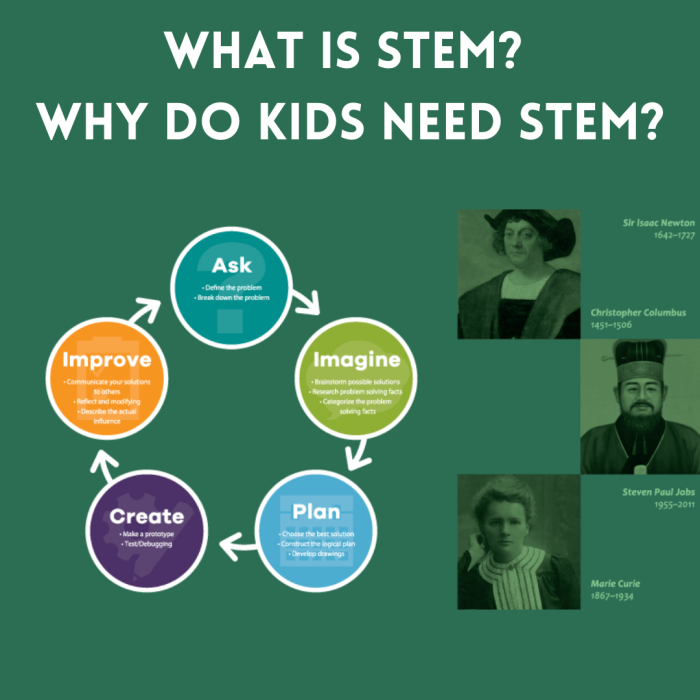
Dive into the world of STEM education resources where creativity meets technology, shaping the minds of future innovators and problem solvers. From interactive tools to diverse perspectives, get ready to explore the dynamic landscape of learning.

Discover the key elements that make STEM education resources vital for student success and how educators can leverage them to create engaging learning experiences.

Importance of STEM Education Resources

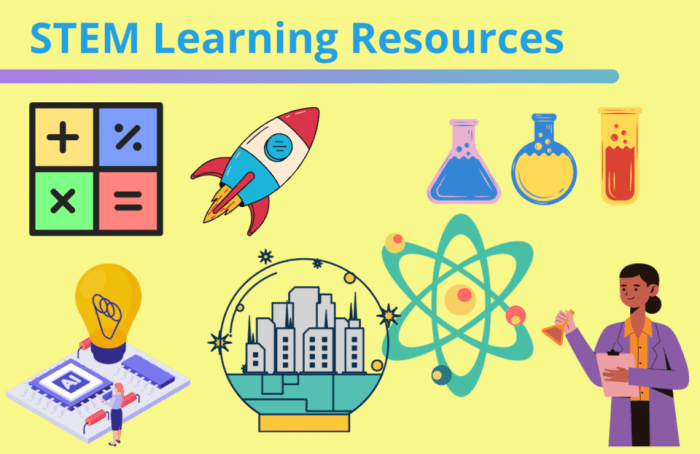
STEM education resources play a crucial role in shaping the future of students by providing them with the necessary tools and knowledge to thrive in a technology-driven world. These resources encompass a wide range of materials, including textbooks, online platforms, laboratory equipment, and educational games, that are designed to enhance the learning experience in science, technology, engineering, and mathematics.

Enhancing Learning Outcomes

STEM education resources have the potential to significantly improve learning outcomes for students. For example, interactive simulations and virtual labs can help students visualize complex scientific concepts, making it easier for them to understand and retain information. Additionally, access to coding software and robotics kits can foster creativity and problem-solving skills, preparing students for future careers in STEM fields.

Impact on Student Success

The availability of quality STEM education resources can have a direct impact on student success. Students who have access to up-to-date materials and technology are more likely to excel in STEM subjects and pursue advanced studies or careers in these fields. Furthermore, exposure to real-world applications of STEM concepts through resources like guest speakers, field trips, and hands-on experiments can inspire students to explore their interests and passions in science and technology.

Types of STEM Education Resources

STEM education resources come in various forms, each serving a unique purpose in enhancing learning experiences. From digital tools to hands-on materials, educators have a wide array of resources to choose from based on the specific needs of their students.

Digital STEM Resources vs. Traditional Resources

Digital STEM resources encompass online platforms, simulations, educational apps, and virtual labs that provide interactive learning experiences. These resources offer the advantage of accessibility, allowing students to engage with content anytime, anywhere. On the other hand, traditional STEM resources include textbooks, laboratory equipment, and physical models that support hands-on learning experiences. While digital resources offer convenience and flexibility, traditional resources provide tangible experiences that promote deeper understanding and critical thinking skills.

Benefits of Hands-On STEM Materials

Hands-on STEM materials, such as robotics kits, science experiments, and engineering projects, offer numerous benefits for interactive learning. These materials enable students to apply theoretical knowledge in practical settings, fostering creativity, problem-solving skills, and teamwork. Hands-on activities also encourage active participation and engagement, making learning more enjoyable and memorable for students. By incorporating hands-on STEM materials, educators can create dynamic and immersive learning environments that inspire curiosity and exploration.

Utilizing Technology in STEM Education

Technology plays a crucial role in enhancing STEM education resources by providing interactive and engaging tools for students to learn and explore various concepts.

Innovative Tech Tools in STEM Classrooms

STEM classrooms are utilizing a wide range of innovative technology tools to enhance learning experiences:

  • 1. 3D Printers: Students can create physical models of their designs, allowing for a hands-on approach to learning.
  • 2. Coding Platforms: Platforms like Scratch or Python introduce students to coding and programming concepts in a fun and interactive way.
  • 3. Robotics Kits: Robotics kits enable students to build and program robots, applying STEM concepts in a practical setting.

Virtual Reality and Simulations in STEM Education

Virtual reality and simulations offer immersive experiences that supplement traditional STEM resources:

  • 1. Virtual Field Trips: Students can explore distant locations or inaccessible environments through virtual reality, enhancing their understanding of real-world applications of STEM.
  • 2. Simulations: Simulations allow students to conduct experiments or simulations in a safe virtual environment, providing hands-on experience without the need for physical materials.
  • 3. Augmented Reality Apps: Apps that incorporate augmented reality can overlay digital information onto the physical world, making abstract concepts more tangible for students.

Incorporating Diversity in STEM Education Resources

Diversity and inclusion in STEM education resources play a crucial role in fostering a more equitable and enriching learning environment for all students. By incorporating diverse perspectives, experiences, and backgrounds, educators can create a more inclusive curriculum that reflects the real-world diversity of our society.

Importance of Diversity and Inclusion

Embracing diversity in STEM education resources is essential for several reasons:

  • Promotes a more inclusive learning environment where all students feel valued and represented.
  • Provides opportunities for students from underrepresented groups to see themselves reflected in STEM fields.
  • Encourages critical thinking and problem-solving by exposing students to a variety of perspectives.
  • Prepares students to engage with diverse teams and workforces in their future careers.

Strategies for Incorporating Diverse Perspectives

There are several ways educators can incorporate diversity into STEM curriculum:

  • Include diverse role models and scientists in learning materials to inspire students from all backgrounds.
  • Integrate culturally relevant examples and case studies into lessons to make STEM topics more relatable.
  • Encourage collaborative projects that celebrate different perspectives and experiences.
  • Provide resources in multiple languages to support English language learners and non-native speakers.

Impact of Representation on Student Engagement

Representation in STEM materials has a significant impact on student engagement and interest:

  • Students are more likely to be engaged and motivated when they see themselves represented in the curriculum.
  • Diverse perspectives can spark curiosity and creativity, leading to deeper learning and innovation.
  • Increased representation can help break down stereotypes and barriers that may have deterred certain groups from pursuing STEM fields.
  • By embracing diversity, educators can create a more inclusive and equitable learning environment that benefits all students.

Professional Development for Educators in STEM

Continuous training for educators in utilizing STEM resources is crucial in ensuring that they are equipped with the necessary skills and knowledge to effectively integrate these resources into their teaching practices. As the field of STEM is constantly evolving with new technologies and advancements, educators need to stay updated through professional development programs to provide the best learning experiences for their students.

Effective Professional Development Programs for Teachers in STEM Education

  • Workshops and Seminars: Hands-on workshops and seminars focused on specific STEM topics can provide educators with practical skills and strategies to enhance their teaching methods.
  • Online Courses: Virtual courses and webinars offer flexibility for educators to learn at their own pace and explore a wide range of STEM resources and tools.
  • Mentorship Programs: Pairing educators with experienced mentors in the field of STEM education can offer valuable guidance and support in implementing innovative teaching techniques.

Maximizing the Use of STEM Resources in the Classroom

  • Integration of Technology: Well-trained educators can effectively leverage technology tools and resources to create engaging and interactive lessons that promote student learning.
  • Collaborative Learning: By fostering a collaborative learning environment, educators can encourage students to work together on STEM projects and activities, enhancing their problem-solving and critical thinking skills.
  • Real-World Applications: Educators who receive professional development in STEM education can incorporate real-world examples and applications into their lessons, making the content more relevant and engaging for students.

Education and Training in STEM Fields

Approach

STEM education resources play a crucial role in shaping the future career paths of students. By providing access to quality STEM resources, students are better equipped to explore various fields within science, technology, engineering, and mathematics. This exposure not only enhances their knowledge but also influences their career choices in STEM fields.

Role of Vocational Training Programs

Vocational training programs are instrumental in preparing students for careers in STEM fields. These programs focus on practical skills and hands-on experience, allowing students to develop expertise in specific areas such as coding, robotics, or engineering. By combining theoretical knowledge with practical training, vocational programs help students gain a competitive edge in the job market.

  • Vocational training programs offer specialized courses tailored to the needs of STEM industries.
  • Students acquire valuable skills that are directly applicable to their chosen STEM careers.
  • Internship opportunities provided through vocational programs allow students to gain real-world experience and build professional networks.

Exposure to vocational training programs enhances students’ employability and equips them with the skills needed to succeed in STEM careers.

Influence of Early Exposure to STEM Resources

Early exposure to STEM resources can significantly impact students’ career choices in STEM fields. By introducing children to STEM concepts at a young age, they are more likely to develop an interest in science, technology, engineering, or mathematics. This early exposure fosters a curiosity and passion for STEM subjects, ultimately influencing their future career paths.

  • Hands-on STEM activities in early education help children develop critical thinking and problem-solving skills.
  • STEM-related field trips and guest speakers introduce students to a variety of STEM careers and industries.
  • Engaging STEM curriculum in elementary and middle schools encourages students to pursue advanced STEM courses in high school and beyond.

Early exposure to STEM resources not only cultivates a love for learning but also inspires students to consider rewarding careers in STEM fields.

Closure

STEM education resources

As we wrap up our journey through STEM education resources, remember that innovation and inclusivity are the cornerstones of effective learning. By embracing technology, diversity, and continuous professional development, we pave the way for a brighter future in STEM fields.

General Inquiries

How do STEM education resources benefit students?

STEM resources enhance critical thinking skills, creativity, and problem-solving abilities in students.

What types of STEM education resources are available?

STEM resources include digital tools, hands-on materials, and innovative tech applications.

Why is diversity important in STEM education?

Diversity in STEM resources ensures inclusive learning environments and prepares students for real-world challenges.

What is the role of technology in STEM education?

Technology enhances interactive learning experiences and provides access to advanced tools for students.

Interactive learning tools Enhancing Engagement and Understanding

Interactive learning tools

Dive into the world of interactive learning tools where student engagement is at its peak, examples are aplenty, and the impact is undeniable. Get ready for an enlightening journey!

As we explore the benefits, types, implementation, and impact of interactive learning tools, prepare to be amazed by the possibilities they offer in educational settings.

Benefits of Interactive Learning Tools

Interactive learning tools play a crucial role in enhancing student engagement, making the learning process more dynamic and stimulating. By incorporating elements such as quizzes, games, simulations, and multimedia presentations, interactive tools capture the attention of students and encourage active participation in the learning process.

Enhanced Student Engagement

Interactive learning tools, such as educational apps, virtual labs, and online discussion forums, provide students with a hands-on and immersive learning experience. These tools enable students to interact with the content in a more meaningful way, leading to increased motivation and interest in the subject matter. For example, gamified learning platforms like Kahoot! and Quizlet make studying fun and engaging, allowing students to compete with their peers while reinforcing their knowledge.

Improved Retention and Understanding

The use of interactive learning tools has been shown to enhance student retention and understanding of complex concepts. By incorporating interactive elements like videos, simulations, and virtual reality, educators can present information in a more visual and interactive manner, making it easier for students to grasp difficult topics. For instance, platforms like Nearpod and Edpuzzle allow teachers to create interactive lessons with embedded quizzes and activities, ensuring that students actively engage with the material and retain key information.

Types of Interactive Learning Tools

Interactive learning tools come in various forms, each designed to engage students in different ways and cater to different learning styles. Let’s explore some of the main categories of interactive learning tools and how they can enhance the learning experience.

Simulations

Simulations are interactive learning tools that replicate real-world scenarios or processes. They allow students to experiment and make decisions in a risk-free environment. Simulations are effective in helping students understand complex concepts by offering hands-on experience. For example, a flight simulator can help aspiring pilots learn how to navigate an aircraft safely.

Games

Educational games are a fun way to engage students and reinforce learning material. By incorporating game elements such as points, levels, and rewards, students are motivated to actively participate in the learning process. Games can be especially effective in teaching subjects that require memorization or problem-solving skills.

Quizzes

Quizzes are interactive assessments that test students’ knowledge on specific topics. They provide immediate feedback, allowing students to identify areas where they need improvement. Quizzes can be in the form of multiple-choice questions, true/false statements, or fill-in-the-blank exercises. They are a great way to reinforce learning material and track progress.

Virtual Reality (VR) and Augmented Reality (AR)

VR and AR technologies offer immersive experiences that transport students to different environments or enhance their current surroundings with digital elements. These tools are particularly effective in subjects like science, history, and geography, where students can explore concepts in a more interactive and engaging way.

Interactive Whiteboards

Interactive whiteboards combine traditional teaching methods with digital technology, allowing teachers to create dynamic and interactive lessons. Students can actively participate in lessons by interacting with the content displayed on the whiteboard, making learning more engaging and collaborative.

Video Tutorials

Video tutorials provide visual explanations of complex concepts, making learning more accessible and engaging. Students can pause, rewind, and replay videos to reinforce their understanding of the material. Video tutorials are especially effective for visual and auditory learners who benefit from multimedia content.

Implementing Interactive Learning Tools

Elearning edapp

To effectively integrate interactive learning tools into lessons, educators can follow a step-by-step guide to enhance the virtual learning experience for students. By incorporating best practices, educators can overcome challenges faced when implementing these tools.

Step-by-Step Guide for Integration

  • Identify Learning Objectives: Determine the specific goals and objectives you want to achieve with the interactive tools.
  • Choose Appropriate Tools: Select interactive learning tools that align with the learning objectives and cater to the needs of your students.
  • Integrate Tools Seamlessly: Incorporate the tools into your lesson plans in a way that enhances learning and engages students.
  • Provide Guidance and Support: Offer proper instructions and support to students to ensure they understand how to use the tools effectively.
  • Monitor Progress and Feedback: Continuously assess the impact of the interactive tools on student learning and adjust as needed based on feedback.

Best Practices for Virtual Learning Environment

  • Utilize Interactive Platforms: Make use of platforms specifically designed for virtual learning that support a wide range of interactive tools.
  • Encourage Collaboration: Foster a collaborative learning environment where students can interact with each other and participate in group activities using interactive tools.
  • Provide Interactive Assessments: Use interactive tools for assessments to evaluate student progress and understanding in a more engaging manner.
  • Offer Flexibility: Allow students to access interactive learning tools at their own pace and convenience to accommodate different learning styles.

Challenges and Solutions

  • Technical Issues: Educators may face challenges with technical difficulties when implementing interactive tools. To overcome this, ensure proper training and support are provided to both educators and students.
  • Resistance to Change: Some educators may resist incorporating new technologies into their teaching methods. Encourage professional development opportunities and showcase the benefits of interactive tools to overcome resistance.
  • Time Constraints: Educators often struggle with time constraints when integrating new tools. Prioritize the most effective interactive tools that align with learning objectives to maximize impact within limited time constraints.

Impact of Interactive Learning Tools on Education and Training

Interactive learning tools

Interactive learning tools have significantly revolutionized traditional teaching methods by incorporating technology to make learning more engaging, immersive, and effective. These tools have paved the way for a more interactive and dynamic learning environment, allowing students to actively participate in the learning process rather than passively receiving information.

Revolutionizing Traditional Teaching Methods

Interactive learning tools such as virtual simulations, gamified learning platforms, and educational apps have transformed the way educators deliver content and engage with students. These tools enable teachers to create interactive lessons that cater to different learning styles, making learning more accessible and enjoyable for students of all abilities.

  • Virtual simulations provide hands-on learning experiences in a safe and controlled environment, allowing students to practice real-world skills and concepts without the need for physical resources.
  • Gamified learning platforms use game elements to incentivize learning and motivate students to achieve educational goals, making the learning process more engaging and rewarding.
  • Educational apps offer personalized learning experiences by adapting content based on individual progress and performance, catering to each student’s unique learning pace and style.

Interactive learning tools enhance student engagement, collaboration, and critical thinking skills, ultimately leading to improved academic performance and knowledge retention.

Personalized Learning Experiences

Interactive learning tools play a crucial role in providing personalized learning experiences by allowing students to learn at their own pace and in a way that suits their individual preferences. These tools enable educators to tailor lessons to meet the specific needs and interests of each student, fostering a more personalized and adaptive learning environment.

  1. Adaptive learning platforms adjust the difficulty level of content based on student performance, ensuring that each student receives targeted support and challenges to promote continuous growth and improvement.
  2. Interactive multimedia content caters to diverse learning styles by presenting information in various formats such as videos, animations, and interactive simulations, accommodating different preferences and enhancing overall comprehension.

By offering personalized learning experiences, interactive learning tools empower students to take ownership of their learning journey and develop a deeper understanding of complex concepts.

Improving Knowledge Retention and Application

Interactive learning tools are instrumental in improving knowledge retention and application by engaging students in active learning experiences that promote critical thinking, problem-solving, and real-world application of concepts. These tools challenge students to think creatively, analyze information, and apply their learning in practical scenarios, enhancing their ability to retain and apply knowledge effectively.

  • Simulation-based learning activities allow students to apply theoretical knowledge in simulated real-world situations, preparing them for practical challenges and enhancing their problem-solving skills.
  • Collaborative learning tools facilitate peer-to-peer interaction and group projects, encouraging teamwork, communication, and knowledge sharing among students, which in turn reinforces learning outcomes and promotes long-term retention.

Interactive learning tools bridge the gap between theoretical knowledge and practical application, equipping students with the skills and competencies needed to succeed in real-world scenarios and future endeavors.

Closure

In conclusion, interactive learning tools are not just tools but catalysts for a transformative educational experience, paving the way for a future where learning is engaging, effective, and personalized.

FAQ Compilation

How do interactive learning tools enhance student engagement?

Interactive learning tools make learning fun and engaging by allowing students to actively participate in the learning process through games, simulations, and quizzes.

What types of interactive learning tools cater to different learning styles?

Tools like simulations cater to visual learners, while interactive games may appeal more to kinesthetic learners. Quizzes are great for auditory learners.

What challenges do educators face when implementing interactive learning tools?

Educators may face challenges like resistance to change, technical issues, and the need for proper training to effectively integrate these tools into lessons.

Study guides for college exams Your key to acing those tests!

Tips exam study final exams prepare prep planner plan have

Study guides for college exams sets the stage for this enthralling narrative, offering readers a glimpse into a story that is rich in detail with entertaining interactive style and brimming with originality from the outset.

Are you ready to dive into the world of study guides and revolutionize your exam preparation? Let’s explore the ins and outs of creating effective study tools for academic success!

Study guides for college exams

Study guides play a crucial role in helping students prepare effectively for college exams. They provide a structured way to review and consolidate key information, concepts, and skills needed to succeed in exams.

Importance of study guides

  • Study guides help organize study material in a concise and easy-to-understand format.
  • They serve as a roadmap for students, outlining what topics to focus on and prioritize during exam preparation.
  • Using study guides can boost confidence by ensuring that all important information is covered before the exam.

Tips for creating effective study guides

  • Summarize key points and concepts in your own words to aid in better understanding and retention.
  • Use visual aids such as diagrams, charts, and mnemonics to make the information more engaging and memorable.
  • Include practice questions and quizzes to test your understanding and reinforce learning.

Benefits of using study guides

  • Improved retention and understanding of course material.
  • Efficient use of study time by focusing on essential information.
  • Reduced stress and anxiety by providing a clear study plan and direction.

Digital study guides vs. traditional paper-based study guides

  • Digital study guides offer the advantage of accessibility from anywhere with an internet connection.
  • Traditional paper-based study guides can be more tactile and easier to annotate for some learners.
  • Digital study guides can be easily updated and customized, while paper-based guides may be more static.

Types of study guides

College students have access to a variety of study guides to help them prepare for exams and improve their understanding of course material. These study guides can vary in format, content, and focus, catering to different learning styles and preferences.

Comprehensive vs. Topic-Specific Study Guides

Comprehensive study guides aim to cover all the material for a particular course or exam, providing a broad overview of the subject matter. These guides often include summaries, key concepts, practice questions, and additional resources to help students grasp the content comprehensively. On the other hand, topic-specific study guides focus on a particular aspect or topic within a course, delving deeper into specific areas to help students master challenging concepts or topics.

Visual Study Guides

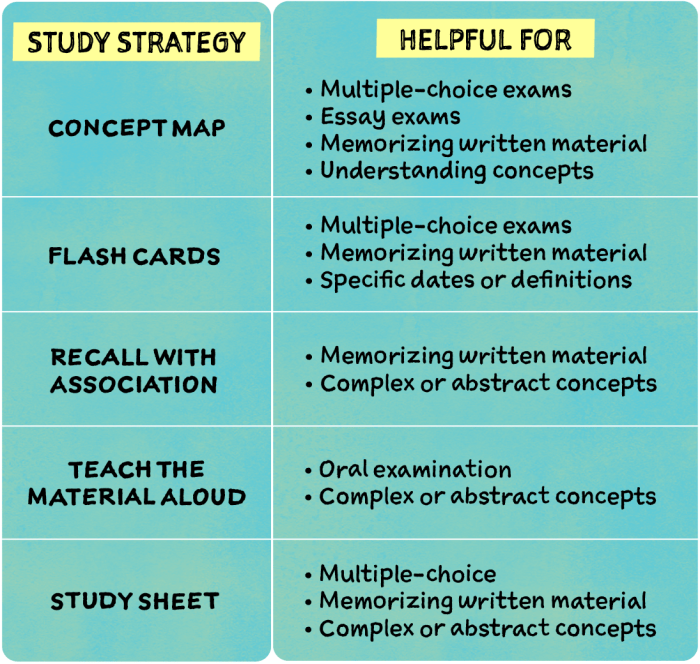
Visual study guides, such as mind maps, charts, and diagrams, are effective tools for visual learners as they present information in a graphical format. Mind maps can help students organize and connect ideas, charts can illustrate relationships and comparisons between different concepts, and diagrams can simplify complex information into visual representations. These visual aids can enhance understanding, retention, and recall of information, making studying more engaging and effective.

Collaborative Study Guides

Collaborative study guides involve group study sessions where students work together to create study materials, such as summaries, flashcards, or practice quizzes. This collaborative approach allows students to share their knowledge, perspectives, and insights, benefiting from different learning styles and strategies. Group study sessions can promote active learning, critical thinking, and peer support, enhancing overall academic performance and exam preparation.

Utilizing study guides effectively

Effective utilization of study guides is crucial for success in college exams. By incorporating study guides into your study routine, organizing them efficiently, and using them for active recall and self-assessment, you can maximize your learning potential and improve your exam performance.

Incorporating study guides into a study routine

One strategy for incorporating study guides into your study routine is to review them regularly, starting well in advance of the exam date. By breaking down the material into manageable sections and setting aside specific study time each day, you can ensure that you cover all the necessary content.

  • Set specific goals for each study session based on the study guide.
  • Use the study guide to create flashcards or practice quizzes for active learning.
  • Review past exams and assignments to identify areas where the study guide can help reinforce your understanding.

Organizing and structuring study guides for efficient use

Organizing your study guides in a clear and structured manner can help you navigate the material more effectively. Consider using color-coding, highlighting key points, and creating summaries or Artikels to make the information more digestible.

  1. Divide the study guide into sections based on topics or chapters.
  2. Create a study schedule that allocates time for each section of the study guide.
  3. Use visual aids such as charts or diagrams to reinforce complex concepts.

Designing a study plan using study guides to cover all exam material

A well-designed study plan that incorporates the study guide can help you ensure that you cover all the exam material thoroughly. Start by identifying the key topics and concepts Artikeld in the study guide and prioritize them based on your understanding and proficiency.

Remember, consistency is key when following a study plan. Make sure to stick to the schedule and adjust as needed based on your progress.

Using study guides for active recall and self-assessment

Study guides can be valuable tools for active recall, helping you test your knowledge and reinforce learning through repetition. Incorporate self-assessment activities such as practice quizzes, concept mapping, and summarization exercises to gauge your understanding and retention of the material.

  • Quiz yourself using the study guide to identify areas of weakness.
  • Engage in group study sessions where you can discuss and quiz each other using the study guide.
  • Reflect on your progress and adjust your study strategies based on the effectiveness of using the study guide.

Education and reference

Study guides for college exams

Education and training play a crucial role in academic success by providing students with the knowledge and skills needed to excel in their studies. Utilizing reference materials like textbooks, journals, and online resources further enhances the learning experience by providing additional information and perspectives on the subject matter.

Importance of Reference Materials

  • Textbooks serve as foundational resources for course material, offering in-depth explanations and examples to aid comprehension.
  • Journals provide current research and scholarly articles that offer new insights and perspectives on a topic.
  • Online resources offer a vast array of information, including videos, interactive quizzes, and forums for discussion and collaboration.

Educational Technology

  • Educational technology enhances the learning experience by providing interactive tools, simulations, and multimedia content that engage students and cater to different learning styles.
  • Platforms like virtual classrooms and online learning management systems offer flexibility and accessibility, allowing students to learn at their own pace and convenience.

Traditional Classroom vs. Online Training

  • Traditional classroom-based education provides face-to-face interaction with instructors and peers, fostering a sense of community and collaboration.
  • Online training programs offer flexibility and convenience, allowing students to access course materials and lectures from anywhere with an internet connection.
  • Both formats have their advantages and limitations, and the choice between them depends on individual learning preferences and circumstances.

Final Summary

Tips exam study final exams prepare prep planner plan have

As we wrap up our journey through the realm of study guides for college exams, remember that these tools hold the power to transform your approach to studying. Embrace the guidance they offer and watch your exam performance soar to new heights!

Clarifying Questions

How do study guides help in improving exam performance?

Study guides provide a structured approach to learning, helping students organize and retain information more effectively, leading to better exam outcomes.

What are the benefits of using digital study guides over traditional paper-based ones?

Digital study guides offer portability, interactive features, and easy access to updated content, making them a convenient choice for modern students.

How can study guides be integrated into a study routine effectively?

Study guides can be incorporated by setting aside dedicated study time, breaking down material into manageable sections, and actively engaging with the content for optimal retention.