Dive into the realm of Academic reference databases, where a treasure trove of scholarly knowledge awaits! Get ready for an exciting journey filled with insights, discoveries, and the keys to unlocking a wealth of academic resources.
Let’s explore the ins and outs of these databases to see how they revolutionize the way research and education are conducted in today’s digital age.
Overview of Academic Reference Databases
Academic reference databases are online platforms that provide access to a vast collection of scholarly articles, research papers, journals, and other academic resources. These databases are essential tools for students, researchers, and academics looking to find reliable and credible information for their studies and research projects.
Examples of Popular Academic Reference Databases
- 1. PubMed: A free search engine accessing primarily the MEDLINE database of references and abstracts on life sciences and biomedical topics.
- 2. JSTOR: A digital library of academic journals, books, and primary sources in various disciplines.
- 3. Scopus: An abstract and citation database covering a wide range of subjects, including science, technology, medicine, social sciences, and arts and humanities.
- 4. Web of Science: A platform that provides access to citation databases used for academic research and citation analysis.
Importance of Academic Reference Databases in Research and Education
Academic reference databases play a crucial role in research and education by providing easy access to a wealth of scholarly information. Researchers can use these databases to find relevant literature, stay up-to-date with the latest research trends, and support their own research findings with credible sources. In the academic setting, students and educators rely on these databases to access peer-reviewed articles and academic journals that contribute to the quality of their work and learning experience.
Features and Functions
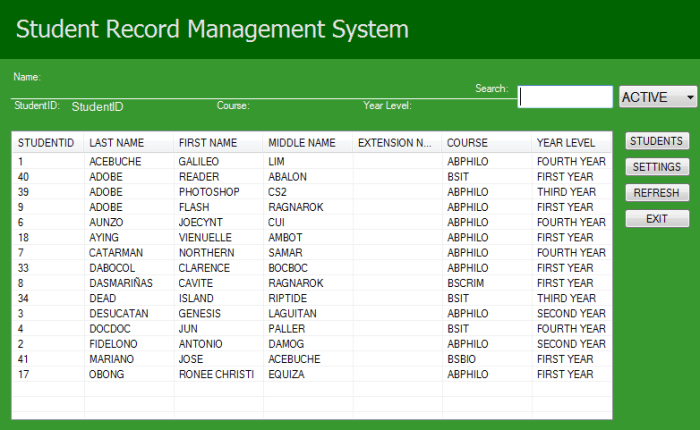
When it comes to academic reference databases, there are several key features that make them invaluable tools for researchers, students, and academics alike. These databases offer a vast collection of scholarly articles, research papers, and other academic resources that are essential for conducting in-depth research and staying up-to-date with the latest developments in various fields.
Key Features of Academic Reference Databases
- Comprehensive Content: Academic reference databases provide access to a wide range of scholarly articles, research papers, conference proceedings, and other academic resources from various disciplines.
- Advanced Search Capabilities: Users can search for information within these databases using s, authors, publication dates, and other criteria to find relevant sources quickly and efficiently.
- Peer-Reviewed Sources: The majority of content available in academic reference databases is peer-reviewed, ensuring high quality and credibility of the information provided.
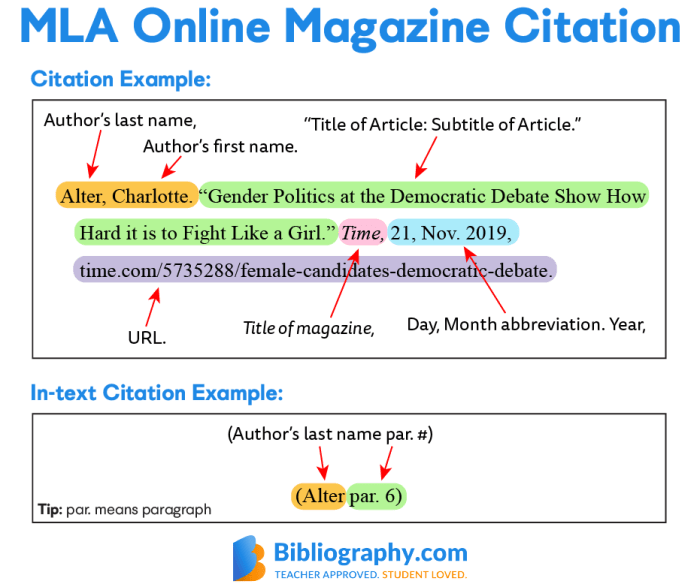
- Citation Management Tools: Many academic reference databases offer citation management tools to help users organize and format their references and bibliographies according to specific citation styles.
- Alert Services: Users can set up alerts to receive notifications when new content relevant to their research interests is added to the database, helping them stay informed about the latest research in their field.
Searching for Information within Academic Reference Databases
Academic reference databases typically have user-friendly interfaces that allow users to search for information in a variety of ways. Users can enter s related to their research topic, browse by subject categories, or use advanced search filters to narrow down their results. Some databases also offer features like Boolean operators, wildcard searches, and search history to enhance the search experience and help users find the information they need quickly.
Accessing Scholarly Articles and Research Papers
Academic reference databases play a crucial role in providing users with access to scholarly articles, research papers, and other academic resources that are essential for academic research and learning. By offering a centralized platform where users can search for and access a vast collection of high-quality academic content, these databases help researchers and students save time and effort in finding relevant sources for their work.
Additionally, academic reference databases often provide full-text access to articles, allowing users to read, download, and cite sources directly from the database, making the research process more efficient and streamlined.
Benefits for Researchers and Students
Academic reference databases offer a plethora of benefits for both researchers and students seeking to enhance their academic work. These databases serve as a treasure trove of scholarly articles, journals, research papers, and other relevant sources that can significantly aid in the research process.
Benefit for Researchers: Finding Relevant Literature
Researchers benefit greatly from academic reference databases as they provide access to a vast array of literature relevant to their field of study. These databases allow researchers to search for specific s, topics, authors, or publications, making it easier to find the information they need for their research. By having a centralized platform to access a wide range of sources, researchers can save time and effort in their literature review process.
Benefit for Students: Academic Projects and Assignments
Students can also reap the benefits of academic reference databases for their academic projects and assignments. These databases offer a wealth of scholarly resources that students can utilize to deepen their understanding of a subject, support their arguments, and enhance the quality of their work. By accessing reputable sources through these databases, students can ensure the credibility and reliability of their research, ultimately leading to higher academic achievements.
Examples of Improved Research Efficiency and Quality
- Researchers can use academic reference databases to quickly access the latest research findings and stay updated on developments in their field.
- Students can utilize these databases to find relevant sources for their essays, reports, and presentations, ultimately improving the quality of their academic work.
- Academic reference databases enable researchers and students to easily cite their sources and avoid plagiarism, fostering academic integrity and ethical research practices.
Comparison with General Search Engines
When it comes to conducting research, it is essential to understand the differences between academic reference databases and general search engines like Google. While both can provide information, there are distinct advantages and limitations to each.Academic reference databases are specialized search engines that focus on scholarly content, including peer-reviewed articles, research papers, and academic journals. On the other hand, general search engines like Google are designed to provide a wide range of information, including news articles, blog posts, and commercial websites.
Advantages of Academic Reference Databases
Academic reference databases offer several advantages for scholarly research:
- Access to peer-reviewed and scholarly content
- Advanced search features for specific research queries
- Reliable and credible sources for academic purposes
- Citation information for proper referencing
Limitations of General Search Engines
Relying solely on general search engines for academic purposes has its limitations:
- Difficulty in distinguishing credible sources from unreliable ones
- Limited access to peer-reviewed and scholarly content
- Lack of advanced search features tailored for academic research
- Inability to provide citation information for academic referencing
Education and Training
Academic reference databases play a crucial role in education and training, providing students and researchers with valuable resources for their academic pursuits.
Integration into Educational Curricula
Many educational institutions integrate academic reference databases into their curricula to familiarize students with research methods and information literacy skills.
- Students are taught how to navigate these databases effectively to find relevant and reliable sources for their research projects.
- By incorporating these databases into coursework, students learn how to critically evaluate information and cite sources properly.
- Teachers often assign tasks that require students to use academic reference databases, reinforcing the importance of research skills in academia.
Role in Teaching Research and Information Literacy
Academic reference databases serve as valuable tools in teaching students about research methods and information literacy.
- Students learn how to formulate research questions, conduct literature reviews, and analyze scholarly articles through the use of these databases.
- Teachers guide students in distinguishing between primary and secondary sources, helping them develop critical thinking skills.
- Using academic reference databases, students acquire the ability to assess the credibility and relevance of sources, enhancing their information literacy.
Training Programs and Workshops
Various educational institutions and libraries offer training programs and workshops focused on using academic reference databases effectively.
- These programs cover topics such as search strategies, database navigation, and citation management to help students optimize their research process.
- Librarians and faculty members conduct hands-on workshops to demonstrate the functionalities of different academic reference databases.
- Students who participate in these training programs gain confidence in utilizing these resources for their academic endeavors.
Ultimate Conclusion
As we wrap up our exploration of Academic reference databases, remember that these powerful tools are not just repositories of information but gateways to new discoveries and academic success. Embrace the world of scholarly resources at your fingertips and soar to new heights in your research endeavors.
Popular Questions
How do academic reference databases differ from general search engines?
Academic reference databases are specialized platforms that focus on scholarly content, providing access to peer-reviewed articles, research papers, and academic resources. In contrast, general search engines like Google offer a broader range of information, including non-academic content.
Can students benefit from using academic reference databases?
Absolutely! Students can leverage these databases to access credible sources for their academic projects, assignments, and research papers. By using academic reference databases, students can ensure the quality and reliability of the information they incorporate into their work.
Are there specific training programs available for using academic reference databases effectively?
Yes, many educational institutions and libraries offer workshops and training sessions to help students and researchers navigate academic reference databases efficiently. These programs aim to enhance information literacy skills and maximize the utility of these valuable resources.