Step into the world of Learning Management Systems (LMS) where education meets technology in a seamless blend of innovation and efficiency.
From defining what LMS is to exploring its role in transforming educational experiences, get ready for an insightful journey!
Introduction to Learning Management Systems (LMS)
Learning Management Systems (LMS) are software applications used in educational settings to manage, deliver, and track online learning and training programs. These systems provide a centralized platform for instructors to create, manage, and deliver educational content to learners.
Purpose of LMS in Educational Settings
LMS serve as a virtual classroom where instructors can upload course materials, assignments, quizzes, and other learning resources for students to access anytime, anywhere. They facilitate communication between instructors and students, as well as enable the tracking of student progress and performance.
- Streamlined Course Delivery: LMS allow instructors to organize and deliver course materials efficiently, making it easier for students to access and engage with the content.
- Enhanced Collaboration: LMS provide tools for communication and collaboration, such as discussion forums and chat features, to facilitate interaction between students and instructors.
- Assessment and Feedback: LMS enable instructors to create quizzes, assignments, and assessments to evaluate student learning outcomes, providing timely feedback for improvement.
- Progress Tracking: LMS offer features for tracking student progress, such as attendance records, grades, and completion status, helping instructors monitor student performance.
Key Features and Functionalities of an LMS
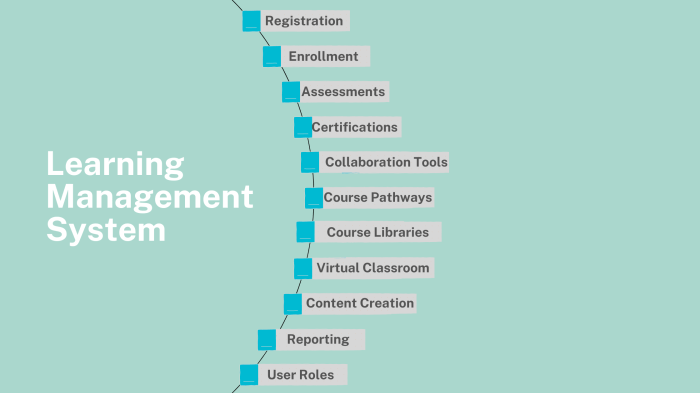
An LMS typically includes the following key features and functionalities:
|
1. Course Management |
Allows instructors to create, organize, and manage course content, assignments, and assessments. |
|
2. Communication Tools |
Facilitates communication between instructors and students through announcements, messaging, and discussion forums. |
|
3. Assessment and Grading |
Enables instructors to create quizzes, assignments, and assessments, as well as grade student submissions. |
|
4. Reporting and Analytics |
Provides insights into student performance, engagement, and progress through analytics and reporting tools. |
Types of Learning Management Systems (LMS)
Learning Management Systems (LMS) come in various types to cater to different needs and preferences in the market. Let’s explore the different types available and their unique characteristics.
Cloud-based vs Self-hosted LMS Solutions
When it comes to LMS solutions, one of the key decisions to make is whether to opt for a cloud-based or self-hosted system. Here’s a comparison between the two:
- Cloud-based LMS: These systems are hosted on the vendor’s servers and accessed through the internet. They offer scalability, easy updates, and lower upfront costs. However, they may have limitations in customization and data security.
- Self-hosted LMS: In contrast, self-hosted LMS solutions are installed on the organization’s servers, providing more control over customization and data security. However, they require higher upfront costs, maintenance, and technical expertise.
It’s essential to consider factors like budget, IT resources, and data security requirements when choosing between cloud-based and self-hosted LMS solutions.
Open-source LMS Platforms
Open-source LMS platforms are another category of LMS solutions that offer flexibility and cost-effectiveness. Here are some benefits and limitations of using open-source LMS platforms:
- Benefits:
- Cost-effective as there are no licensing fees.
- Highly customizable to meet specific needs.
- Large community support for troubleshooting and updates.
- Limitations:
- Require technical expertise for setup and maintenance.
- May lack dedicated customer support compared to commercial solutions.
- Security vulnerabilities if not regularly updated and maintained.
Organizations considering open-source LMS platforms should weigh the benefits of cost-effectiveness and customization against the technical expertise and resources required for maintenance and security.
Implementation of Learning Management Systems (LMS)
Implementing a Learning Management System (LMS) in an educational institution involves several key steps to ensure a successful deployment. This process requires careful planning, effective communication, and continuous support to maximize the benefits of the LMS for both educators and learners.
Steps for Implementing an LMS
- Conduct a needs assessment to identify the goals and objectives of implementing an LMS.
- Choose the right LMS platform that aligns with the institution’s requirements and budget.
- Provide comprehensive training for educators and staff on how to use the LMS effectively.
- Customize the LMS to fit the institution’s branding and learning objectives.
- Ensure data security and privacy compliance to protect sensitive information within the LMS.
- Monitor and evaluate the usage of the LMS to make necessary adjustments and improvements.
Best Practices for Successful LMS Implementation
- Involve key stakeholders, including educators, administrators, and IT staff, in the decision-making process.
- Communicate the benefits of the LMS to all users and provide ongoing support and training.
- Set clear goals and expectations for using the LMS to drive adoption and engagement.
- Encourage collaboration and feedback to continuously improve the LMS and enhance the learning experience.
- Regularly assess the impact of the LMS on teaching and learning outcomes to measure its effectiveness.
Challenges and Solutions During LMS Deployment
- Resistance to change from educators and staff unfamiliar with technology can hinder LMS adoption. Solution: Provide extensive training and support to build confidence and competence.
- Technical issues such as system compatibility and integration problems may arise during implementation. Solution: Conduct thorough testing and troubleshooting before full deployment.
- Ensuring student engagement and motivation within the LMS can be a challenge. Solution: Incorporate interactive and multimedia elements to enhance the learning experience.
- Managing large amounts of data and content within the LMS can lead to organization and accessibility issues. Solution: Implement effective data management strategies and tools to streamline content delivery.
Role of Learning Management Systems (LMS) in Education and Training
Learning Management Systems (LMS) play a crucial role in modern education and training by providing a centralized platform for managing online learning activities, resources, and assessments. They offer numerous benefits that enhance the learning experience for both students and instructors.
Facilitating Personalized Learning Experiences
- LMS allow educators to create customized learning paths for individual students based on their strengths, weaknesses, and learning preferences.
- Through adaptive learning algorithms, LMS can provide personalized recommendations for content and activities to meet each student’s specific needs.
- Students can progress at their own pace, receive targeted feedback, and access resources tailored to their learning goals, fostering a more engaging and effective learning experience.
Impact on Student Engagement and Learning Outcomes
- LMS promote active learning by offering interactive multimedia content, discussion forums, quizzes, and collaborative tools that keep students engaged and motivated.
- By tracking student progress and performance data, instructors can identify areas where students may need additional support and intervene in a timely manner to improve learning outcomes.
- Studies have shown that the use of LMS in education leads to higher student retention rates, increased satisfaction, and improved academic performance.
Supporting Blended Learning Approaches
- LMS enable educational institutions to implement blended learning models that combine traditional classroom instruction with online activities and resources.
- Through LMS, instructors can create flipped classroom environments where students engage with course materials online before attending in-person sessions for deeper discussions and application of concepts.
- Blended learning approaches supported by LMS offer flexibility, accessibility, and opportunities for collaborative learning, catering to diverse learning styles and preferences.
Epilogue
As we wrap up our discussion on Learning Management Systems (LMS), it’s evident that the future of education is intertwined with these powerful tools that shape the way we learn and teach.
FAQ Insights
How do Learning Management Systems (LMS) benefit educational institutions?
LMS streamline course delivery, enhance communication, and track student progress effectively.
What are the key features of an LMS platform?
Features include content management, assessment tools, discussion forums, and grading capabilities.
What challenges can institutions face during LMS implementation?
Institutions may encounter issues with staff training, data migration, and user adoption.