Online courses for career advancement Boost Your Career with Online Learning

Online courses for career advancement

Embark on a journey of career growth with Online courses for career advancement, where opportunities for skill development and professional success await.

Explore the world of online education and training as we delve into the benefits, success stories, and strategies for enhancing your career through digital learning.

Online Courses for Career Advancement

Online courses for career advancement

Online courses play a crucial role in advancing one’s career by providing opportunities for individuals to acquire new skills, enhance their knowledge, and stay competitive in today’s job market. These courses are convenient, flexible, and often more affordable compared to traditional education options.

Popular Online Platforms for Career Development

  • Coursera: Offers a wide range of courses from universities and institutions worldwide, covering various industries and skills.
  • Udemy: Provides a platform for experts to create and share courses on topics ranging from business to technology.
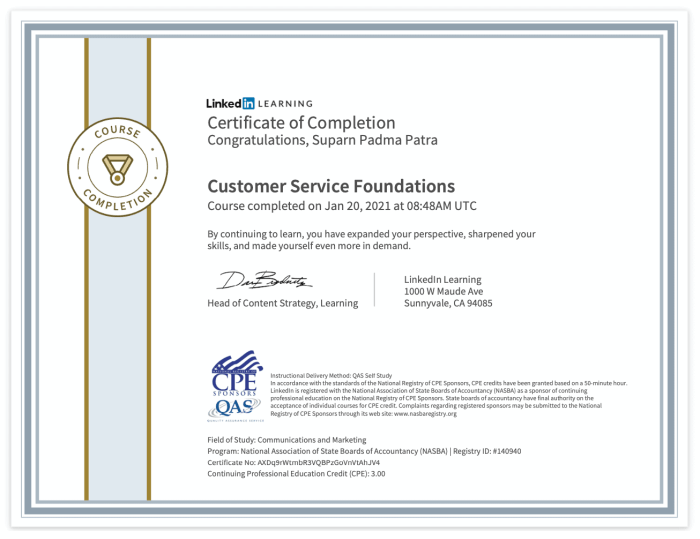
  • LinkedIn Learning: Offers courses on leadership, technology, and creative skills, with the option to earn certifications.

Acquiring New Skills and Staying Competitive

Online courses enable individuals to learn new skills relevant to their field or explore new areas of interest. By staying up-to-date with the latest industry trends and technologies, professionals can enhance their expertise and remain competitive in the job market.

Benefits of Taking Online Courses for Career Growth

  • Flexibility: Online courses allow individuals to learn at their own pace and schedule, making it easier to balance work and education.
  • Cost-effective: Online courses are often more affordable than traditional education options, saving individuals money on tuition, commuting, and other expenses.
  • Accessibility: With online courses, individuals can access learning materials from anywhere in the world, eliminating geographical barriers to education.
  • Networking: Online courses provide opportunities to connect with professionals in the same industry, expanding one’s network and potential career opportunities.

Education and Training

In today’s competitive job market, continuous education and training are essential for career advancement. Let’s explore the key differences between formal education and online training, the effectiveness of traditional classroom education versus online courses, various online learning formats available for professional development, and success stories of individuals who have achieved career growth through online education and training.

Formal Education vs. Online Training

Formal education typically refers to traditional classroom-based learning at universities or colleges, leading to degrees or diplomas. On the other hand, online training involves virtual courses that can be accessed anytime, anywhere, often leading to certifications or skill-based qualifications.

Effectiveness of Traditional Classroom Education vs. Online Courses

Traditional classroom education offers face-to-face interaction with professors and peers, providing a structured learning environment. Online courses, however, offer flexibility, allowing individuals to learn at their own pace and convenience. Both methods have their advantages and can effectively enhance career opportunities based on individual preferences and learning styles.

Various Online Learning Formats

Learning Format Description
Self-paced Courses Individuals can learn at their own speed, completing modules as per their schedule.
Live Webinars Interactive sessions conducted in real-time, allowing for immediate Q&A with instructors.
Virtual Workshops Hands-on training sessions focusing on specific skills or topics, often with group collaboration.

Success Stories in Online Education and Training

  • John Smith, a marketing professional, completed a digital marketing certification online and secured a promotion within six months.
  • Sarah Johnson, a software developer, enhanced her coding skills through online courses and transitioned to a higher-paying job at a tech company.
  • Maria Lopez, a project manager, earned a project management certification online, leading to a salary increase and leadership opportunities in her organization.

Final Summary

Online courses for career advancement

As we wrap up our exploration of Online courses for career advancement, remember that investing in your education and skills can open doors to endless possibilities in your professional journey.

Common Queries

Are online courses effective for career advancement?

Yes, online courses offer flexibility, accessibility, and a wide range of subjects tailored to enhance your career prospects.

Can online training replace traditional education?

Online training complements traditional education by providing practical skills and specialized knowledge that can boost your career.

How do online courses help in staying competitive in the job market?

Online courses offer the latest industry insights and trends, helping individuals stay ahead and relevant in today’s competitive job market.

Interactive learning tools Enhancing Engagement and Understanding

Interactive learning tools

Dive into the world of interactive learning tools where student engagement is at its peak, examples are aplenty, and the impact is undeniable. Get ready for an enlightening journey!

As we explore the benefits, types, implementation, and impact of interactive learning tools, prepare to be amazed by the possibilities they offer in educational settings.

Benefits of Interactive Learning Tools

Interactive learning tools play a crucial role in enhancing student engagement, making the learning process more dynamic and stimulating. By incorporating elements such as quizzes, games, simulations, and multimedia presentations, interactive tools capture the attention of students and encourage active participation in the learning process.

Enhanced Student Engagement

Interactive learning tools, such as educational apps, virtual labs, and online discussion forums, provide students with a hands-on and immersive learning experience. These tools enable students to interact with the content in a more meaningful way, leading to increased motivation and interest in the subject matter. For example, gamified learning platforms like Kahoot! and Quizlet make studying fun and engaging, allowing students to compete with their peers while reinforcing their knowledge.

Improved Retention and Understanding

The use of interactive learning tools has been shown to enhance student retention and understanding of complex concepts. By incorporating interactive elements like videos, simulations, and virtual reality, educators can present information in a more visual and interactive manner, making it easier for students to grasp difficult topics. For instance, platforms like Nearpod and Edpuzzle allow teachers to create interactive lessons with embedded quizzes and activities, ensuring that students actively engage with the material and retain key information.

Types of Interactive Learning Tools

Interactive learning tools come in various forms, each designed to engage students in different ways and cater to different learning styles. Let’s explore some of the main categories of interactive learning tools and how they can enhance the learning experience.

Simulations

Simulations are interactive learning tools that replicate real-world scenarios or processes. They allow students to experiment and make decisions in a risk-free environment. Simulations are effective in helping students understand complex concepts by offering hands-on experience. For example, a flight simulator can help aspiring pilots learn how to navigate an aircraft safely.

Games

Educational games are a fun way to engage students and reinforce learning material. By incorporating game elements such as points, levels, and rewards, students are motivated to actively participate in the learning process. Games can be especially effective in teaching subjects that require memorization or problem-solving skills.

Quizzes

Quizzes are interactive assessments that test students’ knowledge on specific topics. They provide immediate feedback, allowing students to identify areas where they need improvement. Quizzes can be in the form of multiple-choice questions, true/false statements, or fill-in-the-blank exercises. They are a great way to reinforce learning material and track progress.

Virtual Reality (VR) and Augmented Reality (AR)

VR and AR technologies offer immersive experiences that transport students to different environments or enhance their current surroundings with digital elements. These tools are particularly effective in subjects like science, history, and geography, where students can explore concepts in a more interactive and engaging way.

Interactive Whiteboards

Interactive whiteboards combine traditional teaching methods with digital technology, allowing teachers to create dynamic and interactive lessons. Students can actively participate in lessons by interacting with the content displayed on the whiteboard, making learning more engaging and collaborative.

Video Tutorials

Video tutorials provide visual explanations of complex concepts, making learning more accessible and engaging. Students can pause, rewind, and replay videos to reinforce their understanding of the material. Video tutorials are especially effective for visual and auditory learners who benefit from multimedia content.

Implementing Interactive Learning Tools

Elearning edapp

To effectively integrate interactive learning tools into lessons, educators can follow a step-by-step guide to enhance the virtual learning experience for students. By incorporating best practices, educators can overcome challenges faced when implementing these tools.

Step-by-Step Guide for Integration

  • Identify Learning Objectives: Determine the specific goals and objectives you want to achieve with the interactive tools.
  • Choose Appropriate Tools: Select interactive learning tools that align with the learning objectives and cater to the needs of your students.
  • Integrate Tools Seamlessly: Incorporate the tools into your lesson plans in a way that enhances learning and engages students.
  • Provide Guidance and Support: Offer proper instructions and support to students to ensure they understand how to use the tools effectively.
  • Monitor Progress and Feedback: Continuously assess the impact of the interactive tools on student learning and adjust as needed based on feedback.

Best Practices for Virtual Learning Environment

  • Utilize Interactive Platforms: Make use of platforms specifically designed for virtual learning that support a wide range of interactive tools.
  • Encourage Collaboration: Foster a collaborative learning environment where students can interact with each other and participate in group activities using interactive tools.
  • Provide Interactive Assessments: Use interactive tools for assessments to evaluate student progress and understanding in a more engaging manner.
  • Offer Flexibility: Allow students to access interactive learning tools at their own pace and convenience to accommodate different learning styles.

Challenges and Solutions

  • Technical Issues: Educators may face challenges with technical difficulties when implementing interactive tools. To overcome this, ensure proper training and support are provided to both educators and students.
  • Resistance to Change: Some educators may resist incorporating new technologies into their teaching methods. Encourage professional development opportunities and showcase the benefits of interactive tools to overcome resistance.
  • Time Constraints: Educators often struggle with time constraints when integrating new tools. Prioritize the most effective interactive tools that align with learning objectives to maximize impact within limited time constraints.

Impact of Interactive Learning Tools on Education and Training

Interactive learning tools

Interactive learning tools have significantly revolutionized traditional teaching methods by incorporating technology to make learning more engaging, immersive, and effective. These tools have paved the way for a more interactive and dynamic learning environment, allowing students to actively participate in the learning process rather than passively receiving information.

Revolutionizing Traditional Teaching Methods

Interactive learning tools such as virtual simulations, gamified learning platforms, and educational apps have transformed the way educators deliver content and engage with students. These tools enable teachers to create interactive lessons that cater to different learning styles, making learning more accessible and enjoyable for students of all abilities.

  • Virtual simulations provide hands-on learning experiences in a safe and controlled environment, allowing students to practice real-world skills and concepts without the need for physical resources.
  • Gamified learning platforms use game elements to incentivize learning and motivate students to achieve educational goals, making the learning process more engaging and rewarding.
  • Educational apps offer personalized learning experiences by adapting content based on individual progress and performance, catering to each student’s unique learning pace and style.

Interactive learning tools enhance student engagement, collaboration, and critical thinking skills, ultimately leading to improved academic performance and knowledge retention.

Personalized Learning Experiences

Interactive learning tools play a crucial role in providing personalized learning experiences by allowing students to learn at their own pace and in a way that suits their individual preferences. These tools enable educators to tailor lessons to meet the specific needs and interests of each student, fostering a more personalized and adaptive learning environment.

  1. Adaptive learning platforms adjust the difficulty level of content based on student performance, ensuring that each student receives targeted support and challenges to promote continuous growth and improvement.
  2. Interactive multimedia content caters to diverse learning styles by presenting information in various formats such as videos, animations, and interactive simulations, accommodating different preferences and enhancing overall comprehension.

By offering personalized learning experiences, interactive learning tools empower students to take ownership of their learning journey and develop a deeper understanding of complex concepts.

Improving Knowledge Retention and Application

Interactive learning tools are instrumental in improving knowledge retention and application by engaging students in active learning experiences that promote critical thinking, problem-solving, and real-world application of concepts. These tools challenge students to think creatively, analyze information, and apply their learning in practical scenarios, enhancing their ability to retain and apply knowledge effectively.

  • Simulation-based learning activities allow students to apply theoretical knowledge in simulated real-world situations, preparing them for practical challenges and enhancing their problem-solving skills.
  • Collaborative learning tools facilitate peer-to-peer interaction and group projects, encouraging teamwork, communication, and knowledge sharing among students, which in turn reinforces learning outcomes and promotes long-term retention.

Interactive learning tools bridge the gap between theoretical knowledge and practical application, equipping students with the skills and competencies needed to succeed in real-world scenarios and future endeavors.

Closure

In conclusion, interactive learning tools are not just tools but catalysts for a transformative educational experience, paving the way for a future where learning is engaging, effective, and personalized.

FAQ Compilation

How do interactive learning tools enhance student engagement?

Interactive learning tools make learning fun and engaging by allowing students to actively participate in the learning process through games, simulations, and quizzes.

What types of interactive learning tools cater to different learning styles?

Tools like simulations cater to visual learners, while interactive games may appeal more to kinesthetic learners. Quizzes are great for auditory learners.

What challenges do educators face when implementing interactive learning tools?

Educators may face challenges like resistance to change, technical issues, and the need for proper training to effectively integrate these tools into lessons.


Best certification courses online Top 5 courses, benefits, differences, importance of accreditation

Businessman certifikat illustrationer accretions accreditation diploma ribbons easiest vektorer

Embark on a journey through the realm of online certification courses with ‘Best certification courses online,’ where we delve into the top courses, benefits, differences from traditional methods, and the crucial aspect of accreditation. Get ready for an informative and engaging exploration!

Online certification courses have revolutionized the learning landscape, offering convenience, flexibility, and diverse opportunities for skill enhancement. Let’s uncover the details behind this educational revolution.

Best Certification Courses Online

Best certification courses online

Certification courses are a great way to enhance your skills and knowledge in a specific area. With the convenience of online learning, you can now access top certification courses from the comfort of your own home. Here are the top 5 certification courses available online:

1. Project Management Professional (PMP) Certification

  • Highly recognized in the industry.
  • Boosts career opportunities and earning potential.
  • Learn essential project management skills.

2. Certified Information Systems Security Professional (CISSP)

  • Specialized certification in cybersecurity.
  • Demand for cybersecurity professionals is high.
  • Gain expertise in information security.

3. Google IT Support Professional Certificate

  • Develop technical skills for IT support roles.
  • Learn from Google instructors.
  • Prepares you for entry-level IT positions.

4. Certified Digital Marketing Professional

  • Learn digital marketing strategies and techniques.
  • Stay updated with the latest trends in marketing.
  • Enhance your online marketing skills.

5. AWS Certified Solutions Architect

  • Specialize in cloud computing with Amazon Web Services.
  • Gain expertise in designing and deploying scalable systems on AWS.
  • In-demand certification for cloud architects.

Benefits of Taking Certification Courses Online

  • Flexibility to study at your own pace.
  • Access to a wide range of courses from anywhere in the world.
  • Cost-effective compared to traditional in-person courses.

How Online Certification Courses Differ from Traditional In-Person Courses

  • Online courses offer flexibility in terms of schedule and location.
  • Interaction with instructors and classmates may be through virtual platforms.
  • Self-discipline and time management are crucial for online learning.

Importance of Accreditation in Online Certification Courses

  • Accreditation ensures that the course meets quality standards.
  • Employers recognize accredited certifications.
  • Accreditation adds credibility to your credentials.

Education and Reference

Online certification courses play a crucial role in modern education and training, providing individuals with the opportunity to enhance their skills and knowledge in a flexible and convenient manner. These courses are designed to offer specialized training in various fields, allowing learners to acquire valuable certifications that can boost their career prospects.

Role of Online Certification Courses

  • Online certification courses provide accessibility to quality education for individuals who may not have the time or resources to attend traditional classroom-based training.
  • These courses offer a wide range of subjects and specializations, catering to the diverse needs and interests of learners across different industries.
  • By completing online certification courses, individuals can demonstrate their expertise and commitment to professional development, enhancing their credibility and competitiveness in the job market.

Professional Development Benefits

  • Online certification courses enable professionals to acquire new skills and stay updated with the latest industry trends, ensuring continuous growth and advancement in their careers.
  • These courses allow individuals to customize their learning experience based on their schedule and learning pace, fostering a self-directed approach to skill development.
  • Certifications obtained from online courses serve as tangible proof of competence and can lead to better job opportunities, promotions, and salary increases.

Comparison with Traditional Training

  • Online certification courses offer the flexibility of learning from anywhere at any time, eliminating the need to commute to a physical classroom for training.
  • Interactive online platforms and multimedia resources enhance the learning experience, making it more engaging and effective compared to traditional lectures.
  • Self-paced online courses allow individuals to revisit and review the material as needed, promoting better retention and understanding of the content.

Industries Valuing Online Certification Courses

  • Information Technology: Online certifications in programming languages, cybersecurity, and data analytics are highly sought after in the IT industry.
  • Healthcare: Certifications in medical coding, healthcare administration, and patient care are essential for career advancement in healthcare professions.
  • Marketing: Digital marketing certifications covering , social media, and content marketing are valuable for professionals in the marketing industry.

Closure

Businessman certifikat illustrationer accretions accreditation diploma ribbons easiest vektorer

In conclusion, ‘Best certification courses online’ sheds light on the dynamic world of online learning, highlighting the significance of choosing the right course for professional growth. Dive into the realm of online certifications with confidence and knowledge!

FAQ Guide

What are the benefits of taking online certification courses?

Online certification courses offer flexibility, convenience, and access to a wide range of courses from anywhere in the world.

How do online certification courses differ from traditional classroom-based training?

Online courses provide self-paced learning, often at a lower cost, and eliminate the need for physical attendance.

Why is accreditation important when choosing online certification courses?

Accreditation ensures that the course meets certain quality standards and is recognized by employers and institutions.

Which industries highly value online certification courses?

Industries like IT, healthcare, project management, and marketing highly value online certification courses for skill development and career advancement.

Learning Management Systems (LMS) A Comprehensive Guide

Lms learning management system

Step into the world of Learning Management Systems (LMS) where education meets technology in a seamless blend of innovation and efficiency.

From defining what LMS is to exploring its role in transforming educational experiences, get ready for an insightful journey!

Introduction to Learning Management Systems (LMS)

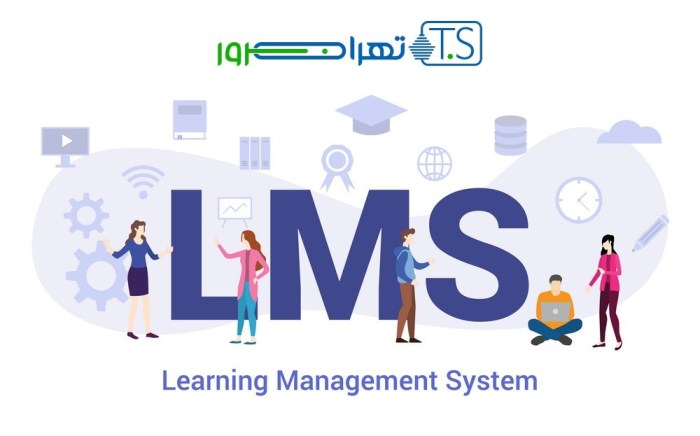
Learning Management Systems (LMS) are software applications used in educational settings to manage, deliver, and track online learning and training programs. These systems provide a centralized platform for instructors to create, manage, and deliver educational content to learners.

Purpose of LMS in Educational Settings

LMS serve as a virtual classroom where instructors can upload course materials, assignments, quizzes, and other learning resources for students to access anytime, anywhere. They facilitate communication between instructors and students, as well as enable the tracking of student progress and performance.

  • Streamlined Course Delivery: LMS allow instructors to organize and deliver course materials efficiently, making it easier for students to access and engage with the content.
  • Enhanced Collaboration: LMS provide tools for communication and collaboration, such as discussion forums and chat features, to facilitate interaction between students and instructors.
  • Assessment and Feedback: LMS enable instructors to create quizzes, assignments, and assessments to evaluate student learning outcomes, providing timely feedback for improvement.
  • Progress Tracking: LMS offer features for tracking student progress, such as attendance records, grades, and completion status, helping instructors monitor student performance.

Key Features and Functionalities of an LMS

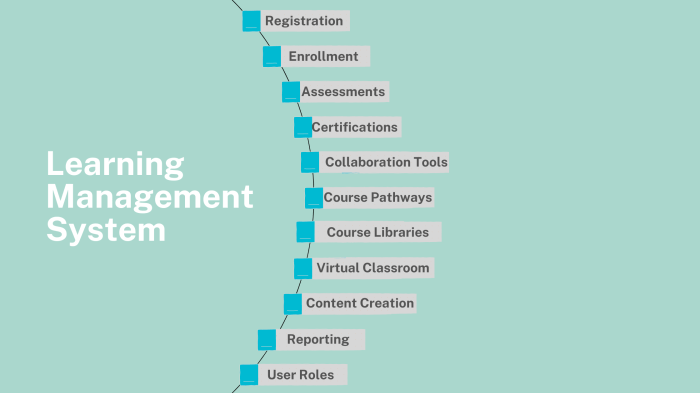
An LMS typically includes the following key features and functionalities:

1. Course Management

Allows instructors to create, organize, and manage course content, assignments, and assessments.

2. Communication Tools

Facilitates communication between instructors and students through announcements, messaging, and discussion forums.

3. Assessment and Grading

Enables instructors to create quizzes, assignments, and assessments, as well as grade student submissions.

4. Reporting and Analytics

Provides insights into student performance, engagement, and progress through analytics and reporting tools.

Types of Learning Management Systems (LMS)

Learning management systems (LMS)

Learning Management Systems (LMS) come in various types to cater to different needs and preferences in the market. Let’s explore the different types available and their unique characteristics.

Cloud-based vs Self-hosted LMS Solutions

When it comes to LMS solutions, one of the key decisions to make is whether to opt for a cloud-based or self-hosted system. Here’s a comparison between the two:

  • Cloud-based LMS: These systems are hosted on the vendor’s servers and accessed through the internet. They offer scalability, easy updates, and lower upfront costs. However, they may have limitations in customization and data security.
  • Self-hosted LMS: In contrast, self-hosted LMS solutions are installed on the organization’s servers, providing more control over customization and data security. However, they require higher upfront costs, maintenance, and technical expertise.

It’s essential to consider factors like budget, IT resources, and data security requirements when choosing between cloud-based and self-hosted LMS solutions.

Open-source LMS Platforms

Open-source LMS platforms are another category of LMS solutions that offer flexibility and cost-effectiveness. Here are some benefits and limitations of using open-source LMS platforms:

  • Benefits:
    • Cost-effective as there are no licensing fees.
    • Highly customizable to meet specific needs.
    • Large community support for troubleshooting and updates.
  • Limitations:
    • Require technical expertise for setup and maintenance.
    • May lack dedicated customer support compared to commercial solutions.
    • Security vulnerabilities if not regularly updated and maintained.

Organizations considering open-source LMS platforms should weigh the benefits of cost-effectiveness and customization against the technical expertise and resources required for maintenance and security.

Implementation of Learning Management Systems (LMS)

Lms learning management system

Implementing a Learning Management System (LMS) in an educational institution involves several key steps to ensure a successful deployment. This process requires careful planning, effective communication, and continuous support to maximize the benefits of the LMS for both educators and learners.

Steps for Implementing an LMS

  • Conduct a needs assessment to identify the goals and objectives of implementing an LMS.
  • Choose the right LMS platform that aligns with the institution’s requirements and budget.
  • Provide comprehensive training for educators and staff on how to use the LMS effectively.
  • Customize the LMS to fit the institution’s branding and learning objectives.
  • Ensure data security and privacy compliance to protect sensitive information within the LMS.
  • Monitor and evaluate the usage of the LMS to make necessary adjustments and improvements.

Best Practices for Successful LMS Implementation

  • Involve key stakeholders, including educators, administrators, and IT staff, in the decision-making process.
  • Communicate the benefits of the LMS to all users and provide ongoing support and training.
  • Set clear goals and expectations for using the LMS to drive adoption and engagement.
  • Encourage collaboration and feedback to continuously improve the LMS and enhance the learning experience.
  • Regularly assess the impact of the LMS on teaching and learning outcomes to measure its effectiveness.

Challenges and Solutions During LMS Deployment

  • Resistance to change from educators and staff unfamiliar with technology can hinder LMS adoption. Solution: Provide extensive training and support to build confidence and competence.
  • Technical issues such as system compatibility and integration problems may arise during implementation. Solution: Conduct thorough testing and troubleshooting before full deployment.
  • Ensuring student engagement and motivation within the LMS can be a challenge. Solution: Incorporate interactive and multimedia elements to enhance the learning experience.
  • Managing large amounts of data and content within the LMS can lead to organization and accessibility issues. Solution: Implement effective data management strategies and tools to streamline content delivery.

Role of Learning Management Systems (LMS) in Education and Training

Learning Management Systems (LMS) play a crucial role in modern education and training by providing a centralized platform for managing online learning activities, resources, and assessments. They offer numerous benefits that enhance the learning experience for both students and instructors.

Facilitating Personalized Learning Experiences

  • LMS allow educators to create customized learning paths for individual students based on their strengths, weaknesses, and learning preferences.
  • Through adaptive learning algorithms, LMS can provide personalized recommendations for content and activities to meet each student’s specific needs.
  • Students can progress at their own pace, receive targeted feedback, and access resources tailored to their learning goals, fostering a more engaging and effective learning experience.

Impact on Student Engagement and Learning Outcomes

  • LMS promote active learning by offering interactive multimedia content, discussion forums, quizzes, and collaborative tools that keep students engaged and motivated.
  • By tracking student progress and performance data, instructors can identify areas where students may need additional support and intervene in a timely manner to improve learning outcomes.
  • Studies have shown that the use of LMS in education leads to higher student retention rates, increased satisfaction, and improved academic performance.

Supporting Blended Learning Approaches

  • LMS enable educational institutions to implement blended learning models that combine traditional classroom instruction with online activities and resources.
  • Through LMS, instructors can create flipped classroom environments where students engage with course materials online before attending in-person sessions for deeper discussions and application of concepts.
  • Blended learning approaches supported by LMS offer flexibility, accessibility, and opportunities for collaborative learning, catering to diverse learning styles and preferences.

Epilogue

As we wrap up our discussion on Learning Management Systems (LMS), it’s evident that the future of education is intertwined with these powerful tools that shape the way we learn and teach.

FAQ Insights

How do Learning Management Systems (LMS) benefit educational institutions?

LMS streamline course delivery, enhance communication, and track student progress effectively.

What are the key features of an LMS platform?

Features include content management, assessment tools, discussion forums, and grading capabilities.

What challenges can institutions face during LMS implementation?

Institutions may encounter issues with staff training, data migration, and user adoption.