Dive into the world of Educational Videos for Children where learning meets fun! From enhancing education with visuals to exploring different types of engaging content, get ready for an exciting journey into the realm of educational videos tailored for young minds.
Whether you’re a parent, teacher, or simply curious about educational resources for children, this topic will offer valuable insights and tips to make learning a delightful experience for the little ones.
Importance of Educational Videos for Children
Educational videos play a crucial role in enhancing learning for children by making educational content more engaging and interactive.
Visual learning has a significant impact on children’s education as it helps in better understanding and retention of information. Children are naturally drawn to visual stimuli, making educational videos an effective tool for teaching various subjects.
Examples of Engaging Educational Video Content
- Animated videos that simplify complex concepts in science and math, making learning fun and accessible for children.
- Interactive storytelling videos that enhance literacy skills and encourage creativity in young learners.
- Virtual field trips that allow children to explore different places and cultures, expanding their knowledge beyond textbooks.
Types of Educational Videos for Children
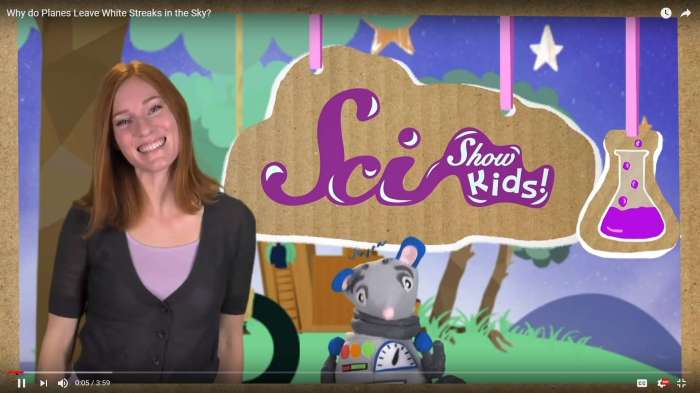
When it comes to educational videos for children, there are various types that cater to different learning styles and preferences. These videos play a crucial role in enhancing children’s knowledge and skills in a fun and engaging way.
Animated Videos
Animated videos are highly effective in capturing children’s attention and imagination. By using colorful visuals, engaging characters, and lively animations, these videos make learning entertaining and interactive. Children are more likely to retain information when it is presented in a visually appealing and engaging manner.
- Benefits of Animated Videos:
- Enhances creativity and imagination
- Makes complex concepts easier to understand
- Encourages active participation and engagement
- Boosts retention of information through visual cues
Animated videos create a dynamic learning environment that stimulates children’s cognitive abilities and makes learning enjoyable.
Interactive Videos
Interactive videos allow children to actively participate in the learning process by making choices, solving problems, and engaging with the content. These videos promote critical thinking, decision-making skills, and problem-solving abilities. By offering interactive elements such as quizzes, games, and puzzles, children are encouraged to explore, experiment, and learn through hands-on activities.
- Role of Interactive Videos:
- Fosters active learning and participation
- Enhances problem-solving and decision-making skills
- Encourages curiosity and exploration
- Provides instant feedback and reinforcement
Interactive videos create an immersive learning experience that empowers children to take control of their learning journey and develop essential skills.
Creating Engaging Educational Content
Creating educational videos for children can be a fun and rewarding experience. To ensure that your content is engaging and informative, consider the following tips:
Importance of Storytelling
Storytelling plays a crucial role in capturing the attention of young learners. By incorporating narratives, characters, and plotlines, you can make educational content more relatable and memorable. Children are naturally drawn to stories, so use this to your advantage when creating videos.
- Develop relatable characters that children can connect with.
- Create a compelling storyline that keeps children interested from start to finish.
- Use visuals and animations to enhance the storytelling experience.
Incorporating Fun Elements
While educational content is essential, it’s equally important to make learning enjoyable for children. Here are some strategies for incorporating fun elements into your videos while maintaining educational value:
- Include interactive games and quizzes to make learning more engaging.
- Add music, sound effects, and colorful visuals to create a lively and dynamic atmosphere.
- Encourage active participation by asking questions and prompting kids to think critically.
Educational Video Platforms for Children
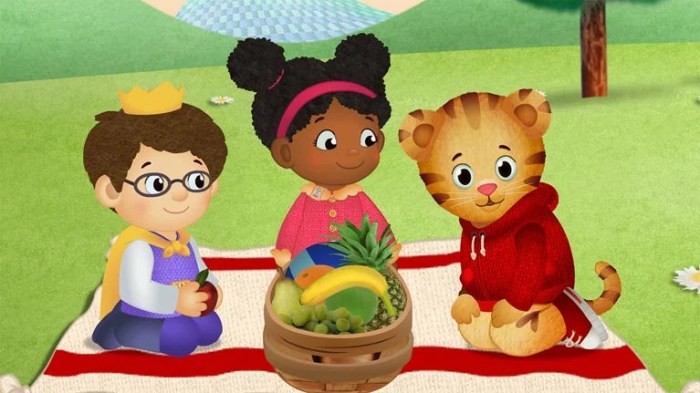
When it comes to educational video platforms for children, there are several popular options that offer a wide range of content to support learning and development in a fun and engaging way.
Popular Platforms Offering Educational Content
- YouTube Kids: YouTube’s dedicated platform for children offers a variety of educational videos, channels, and playlists curated specifically for young viewers.
- Khan Academy Kids: This platform provides interactive and engaging educational content for children, covering subjects like math, reading, and social-emotional learning.
- ABCmouse: ABCmouse offers a comprehensive early learning curriculum with interactive activities, games, and videos designed for preschool and elementary school children.
Features Making a Platform Suitable for Children’s Educational Needs
- Age-Appropriate Content: Educational video platforms should offer content that is suitable for the target age group, ensuring that children are exposed to material that is developmentally appropriate.
- Interactive Learning Tools: Platforms with interactive features like quizzes, games, and activities can enhance the learning experience and make education more engaging for children.
- Parental Controls: Robust parental controls allow parents to monitor their child’s viewing habits, set time limits, and restrict access to certain content to ensure a safe and educational viewing experience.
Insights on Parental Controls and Content Curation
- Parental controls on educational video platforms empower parents to manage their child’s screen time, track their progress, and block inappropriate content.
- Content curation involves selecting and organizing educational videos based on curriculum standards, age-appropriateness, and learning goals to provide a structured and enriching experience for children.
- Platforms that prioritize content curation and offer a diverse range of educational videos can enhance children’s learning outcomes and keep them engaged in the learning process.
Education and Training
Educational videos play a crucial role in formal education settings by enhancing traditional teaching methods and providing visual and interactive learning experiences for students. These videos can cover a wide range of subjects and topics, making complex concepts easier to understand and retain.
Role of Educational Videos in Formal Education
- Supplemental Learning: Educational videos can be used as supplementary materials to reinforce classroom lessons and provide additional resources for students.
- Visual Aid: Videos can visually demonstrate concepts, experiments, historical events, and more, enhancing students’ comprehension and engagement.
- Remote Learning: In today’s digital age, educational videos are essential for online or remote learning environments, allowing students to access quality educational content from anywhere.
Educational Videos as a Training Tool for Educators
- Professional Development: Educational videos can be used to train educators on new teaching methods, technologies, and classroom management strategies.
- Modeling Best Practices: Videos showcasing effective teaching practices can serve as a valuable training tool for educators to observe and implement in their own classrooms.
- Feedback and Reflection: Educators can use videos of their own teaching sessions to receive feedback, self-assess, and improve their instructional techniques.
Successful Integration of Educational Videos in Training Programs
- Flipped Classroom Model: In a flipped classroom model, educators assign videos for students to watch at home as homework, freeing up class time for interactive activities and discussions.
- Microlearning: Breaking down training content into bite-sized video segments allows educators to deliver information in a more digestible and engaging way.
- Interactive Quizzes: Including interactive quizzes in educational videos can help educators assess learning outcomes and reinforce key concepts.
Conclusion
As we wrap up our exploration of Educational Videos for Children, remember that these videos are not just sources of knowledge but also tools for sparking curiosity and fostering a love for learning. With the right content and approach, educational videos can truly revolutionize the way children engage with education.
Answers to Common Questions
How do educational videos enhance learning in children?
Educational videos use visuals and engaging content to make learning more interactive and exciting for children, helping them retain information better.
What are the benefits of incorporating animated videos in children’s education?
Animated videos capture children’s attention and simplify complex concepts in a way that is easy for them to understand and remember.
How can educators use educational videos as a training tool?
Educators can use educational videos to demonstrate teaching techniques, showcase real-world examples, and provide additional learning resources to enhance their training programs.