Dive into the world of online reference materials for research with a captivating exploration of the vast resources available at your fingertips. From scholarly articles to interactive databases, the realm of digital knowledge awaits your discovery.
Discover how these online tools can revolutionize the way you conduct research and elevate your academic endeavors to new heights.
Online Reference Materials for Research
Research is a crucial aspect of academic and professional work, and the use of online reference materials can greatly enhance the quality and depth of research projects. Online reference materials provide a vast array of information at our fingertips, making it easier to access relevant data, facts, and sources to support our research.
Types of Online Reference Materials
- Online Databases: These platforms offer access to a wide range of academic journals, articles, and research papers.
- Online Libraries: Digital libraries provide access to e-books, historical documents, and other resources.
- Encyclopedias: Online encyclopedias offer comprehensive information on various topics.
- Government Websites: Official government websites provide data, reports, and statistics.
Benefits of Using Online Reference Materials
- Convenience: Online reference materials can be accessed from anywhere with an internet connection, saving time and effort.
- Up-to-date Information: Online sources are frequently updated, ensuring access to the latest research and data.
- Diversity of Sources: Online platforms offer a wide range of sources, allowing researchers to gather information from multiple perspectives.
- Cost-effective: Utilizing online reference materials can be more affordable than purchasing physical books or journals.
Tips for Effective Searching and Evaluation
- Use s: Utilize specific s to narrow down search results and find relevant information.
- Evaluate Sources: Check the credibility, authority, and relevance of online sources before using them in your research.
- Cross-reference Information: Verify information from multiple sources to ensure accuracy and reliability.
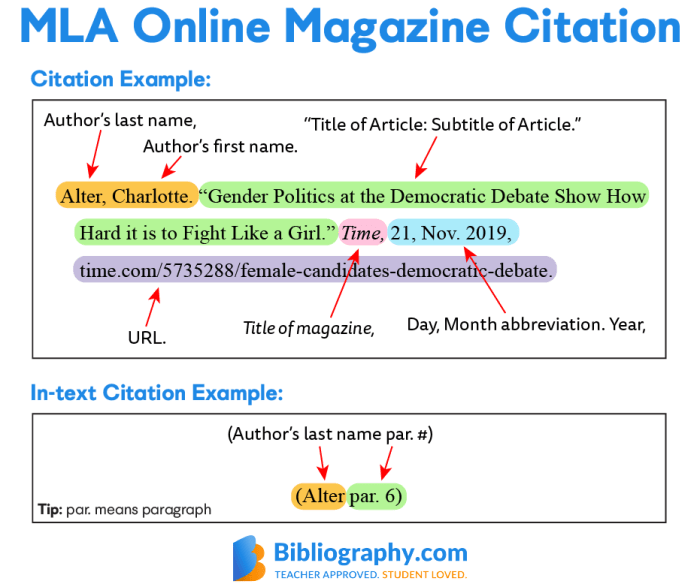
- Stay Organized: Keep track of your sources and citations to avoid plagiarism and easily reference them in your work.
Education and Training

Online reference materials play a crucial role in enhancing the educational experience by providing students, educators, and professionals with easy access to a wide range of resources. These materials offer up-to-date information, diverse perspectives, and interactive tools that can enrich learning and training in various fields.
Advantages of Using Online Reference Materials
- Accessibility: Online reference materials can be accessed anytime, anywhere, making learning more flexible and convenient.
- Diversity: These materials cover a wide range of topics, allowing users to explore different perspectives and gain a deeper understanding of the subject matter.
- Interactivity: Many online reference materials include multimedia elements, quizzes, and simulations that engage learners and enhance the learning experience.
- Cost-effective: Compared to traditional textbooks and printed materials, online reference materials are often more affordable or even free, making education more accessible to a larger audience.
Disadvantages of Using Online Reference Materials
- Reliability: Not all online sources are reputable, leading to potential inaccuracies or biases in the information provided.
- Distractions: The internet can be a distracting environment, with pop-up ads, social media notifications, and other interruptions that may hinder learning.
- Technical Issues: Poor internet connection, compatibility problems, or software glitches can disrupt the learning process when relying on online materials.
Integration into Teaching and Learning
- Virtual Libraries: Schools and universities integrate online reference materials into their virtual libraries, providing students with easy access to scholarly articles, e-books, and databases.
- Learning Management Systems: Educators use online platforms to share course materials, assignments, and supplementary resources with students, promoting a blended learning approach.
- Interactive Tools: Online reference materials often include interactive tools such as simulations, virtual labs, and multimedia presentations to enhance student engagement and understanding.
Impact on Professional Development
- Continuous Learning: Professionals can use online reference materials to stay updated on industry trends, best practices, and emerging technologies, supporting their career growth and development.
- Networking: Online forums, webinars, and virtual conferences provide opportunities for professionals to connect with peers, share knowledge, and collaborate on projects.
- Certifications and Courses: Many online platforms offer certifications, courses, and training programs that professionals can complete to enhance their skills and qualifications.
Final Conclusion
As we wrap up our journey through the realm of online reference materials for research, remember that the key to unlocking knowledge lies in the digital landscape. Embrace these resources, and watch your research skills soar to greater horizons.
Clarifying Questions
How do online reference materials enhance research?
Online reference materials provide quick access to a wealth of information, saving time and expanding research possibilities.
What are some common types of online reference materials?
Common types include academic journals, eBooks, research databases, and multimedia resources.
How can one effectively evaluate online reference materials?
Look for credibility, currency, relevance, and authority when evaluating online resources for research purposes.