Free educational resources for teachers sets the stage for this enthralling narrative, offering readers a glimpse into a story that is rich in detail with entertaining interactive style and brimming with originality from the outset.
Exploring the world of free educational resources opens up a treasure trove of possibilities for educators looking to enrich their teaching practices without incurring additional costs. From lesson plans to educational videos, the realm of free resources is vast and exciting.
Free Educational Resources for Teachers
Teachers have access to a wide range of free educational resources that can enhance their teaching methods and engage students in more effective learning. These resources are available online and cover various subjects and grade levels, providing opportunities for teachers to explore new teaching strategies and materials.
Types of Free Educational Resources
There are several types of free educational resources that teachers can utilize:
- Lesson plans and worksheets
- Interactive activities and games
- Teaching videos and tutorials
- E-books and digital textbooks
- Assessment tools and quizzes
Benefits of Using Free Educational Resources
Utilizing free educational resources in teaching can offer numerous benefits, such as:
- Enhancing lesson creativity and engagement
- Supporting differentiated instruction for diverse learners
- Providing access to up-to-date information and resources
- Reducing the financial burden on teachers for classroom materials
- Encouraging collaboration and sharing of best practices among educators
Popular Platforms for Free Educational Resources
Some popular websites and platforms that offer free educational resources for teachers include:
- Teachers Pay Teachers
- Khan Academy
- Common Sense Education
- Edutopia
- Google for Education
Types of Free Educational Resources
Free educational resources for teachers come in various forms, providing a wealth of materials to enhance classroom instruction and student learning. These resources can be categorized into different types, each serving a unique purpose in lesson planning and delivery.
1. Lesson Plans
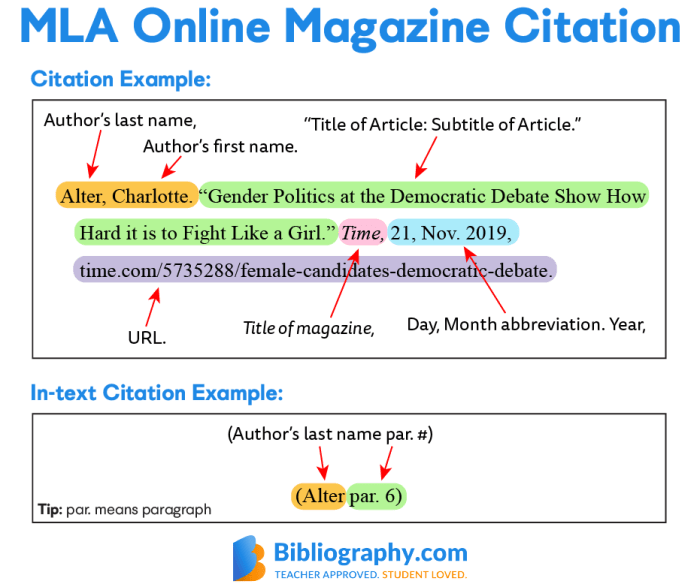
Lesson plans Artikel the structure and objectives of a particular teaching session, including activities, assessments, and resources. They provide a roadmap for teachers to follow and ensure that learning goals are met effectively.
2. Worksheets
Worksheets offer practice exercises and activities for students to reinforce concepts taught in class. They can be used for individual or group work, aiding in skill development and knowledge retention.
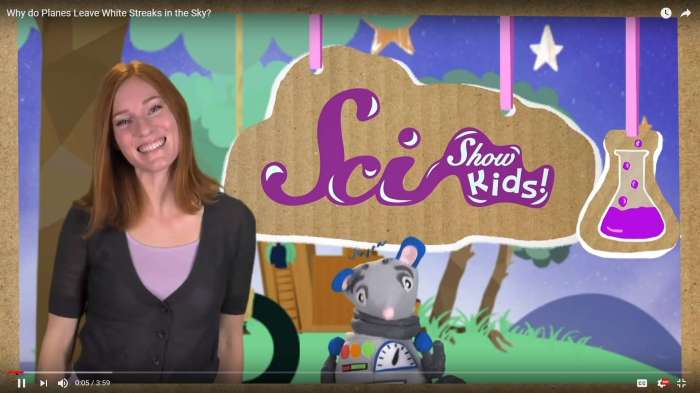
3. Educational Videos
Educational videos provide visual and auditory stimuli to engage students and enhance understanding of complex topics. They can be used as supplementary materials to explain concepts or introduce new ideas in a dynamic way.
4. Interactive Websites
Interactive websites offer engaging and interactive activities for students to explore and learn independently. They can include games, quizzes, simulations, and multimedia resources to cater to diverse learning styles.
5. Digital Libraries
Digital libraries provide access to a wide range of educational resources, including e-books, articles, research papers, and multimedia content. Teachers can utilize these resources to deepen students’ understanding of various subjects and topics.
Utilizing Free Educational Resources
Utilizing free educational resources can greatly enhance the teaching experience for educators and provide valuable learning opportunities for students. By incorporating these resources effectively, teachers can engage students in interactive and dynamic ways, making the learning process more enjoyable and impactful.
Tips for Incorporating Free Educational Resources
- Identify the learning objectives: Before using any free educational resource, ensure that it aligns with the learning goals and objectives of your lesson.
- Integrate resources seamlessly: Integrate the resources into your lesson plans in a way that enhances the content and engages students actively.
- Encourage student participation: Use free educational resources to promote student participation and collaboration, fostering a more interactive learning environment.
- Provide guidance and support: Offer guidance and support to students as they navigate through the resources, ensuring they understand the content effectively.
Success Stories of Teachers Benefiting from Free Educational Resources
Teachers around the world have shared success stories of how free educational resources have transformed their teaching practices. By utilizing these resources, educators have been able to create engaging lessons, cater to diverse learning styles, and improve student outcomes significantly.
Strategies for Evaluating the Quality and Relevance of Free Educational Resources
- Check for credibility: Ensure that the free educational resources come from reputable sources and are backed by reliable information.
- Assess alignment with curriculum: Evaluate whether the resources align with the curriculum standards and learning objectives to ensure relevance.
- Review user feedback: Look for reviews and feedback from other teachers or educators who have used the resources to gauge their effectiveness.
- Test usability: Experiment with the resources beforehand to determine their usability and suitability for your teaching style and classroom setting.
Education and Training
Continuous education and training play a vital role in the professional development of teachers, enhancing their teaching practices and ultimately impacting student outcomes.
Significance of Professional Development
Professional development provides teachers with the opportunity to stay updated on the latest educational trends, teaching methodologies, and technology tools. It helps them improve their skills, knowledge, and effectiveness in the classroom, leading to better student engagement and learning outcomes.
- Professional development workshops and seminars offer teachers the chance to collaborate with colleagues, share best practices, and learn from experts in the field.
- Continuous education enables teachers to adapt to the changing needs of students, implement innovative teaching strategies, and address diverse learning styles effectively.
- By investing in their professional growth, teachers demonstrate a commitment to lifelong learning and a dedication to providing quality education to their students.
Impact on Student Outcomes
Ongoing education and training for teachers have a direct impact on student outcomes, influencing academic achievement, engagement, and overall well-being.
- Teachers who engage in professional development are more likely to create a positive learning environment, foster student motivation, and tailor instruction to meet individual student needs.
- Continuously trained teachers are better equipped to assess student progress, provide timely feedback, and implement effective interventions to support struggling learners.
- Research shows that teacher professional development correlates with improved student performance on standardized tests, higher graduation rates, and enhanced critical thinking skills.
Conclusion
As we conclude our journey through the realm of free educational resources for teachers, it becomes evident that these resources not only save costs but also enhance the quality of education provided to students. By tapping into these resources effectively, educators can revolutionize their teaching methods and inspire a love for learning in their students.
Quick FAQs
Are all free educational resources of good quality?
Not all free educational resources are of the same quality. It’s important for teachers to evaluate the credibility and relevance of the resources before incorporating them into their teaching.
How can teachers ensure the free resources align with their curriculum?
Teachers can align free resources with their curriculum by reviewing the content, objectives, and learning outcomes of the resources to ensure they meet the educational goals of their lessons.
Are there any copyright issues to consider when using free educational resources?
Teachers should be aware of copyright issues when using free educational resources, ensuring they have the right permissions to use and distribute the materials in their classrooms.